


Initiating In-Country Conservation Projects
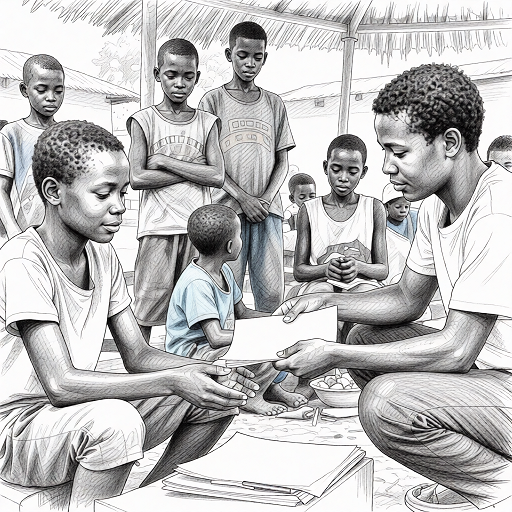
Each Professional Development course, offered a wonderful opportunity to apply the theories and methods that were being learned into real-world conservation activities. So, part of the course design gave participants time to develop an action project to solve an environmental problem back in their own country or home town. With 15 to 25 participants, the ripple effect of so many environmental conservation strategies quickly became an extremely important product of the instruction, as well as the deepening of the global network of problem solvers.
(Click on "Link" Buttons for Additional Information)







Summary Table: 20+ years of EECG Project Support !
Recent Spotlight Projects




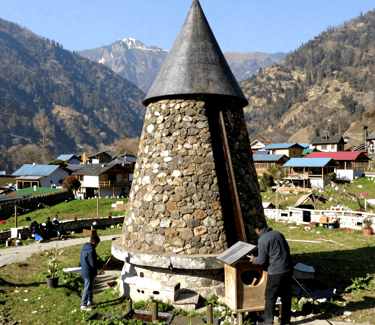
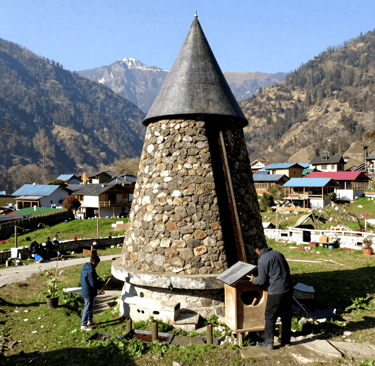
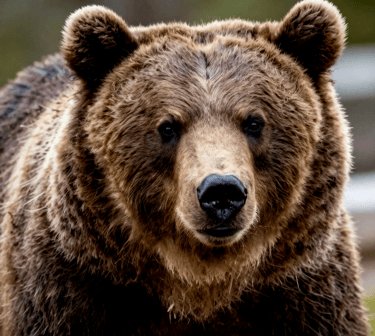
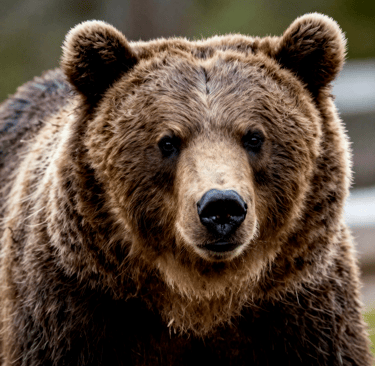
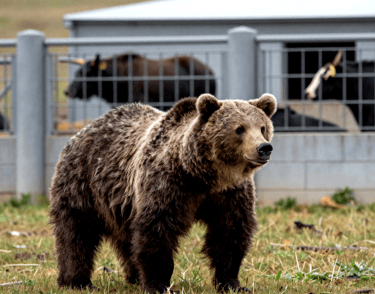
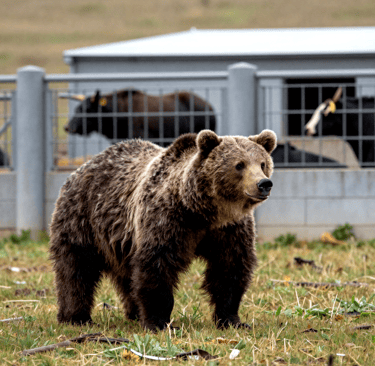
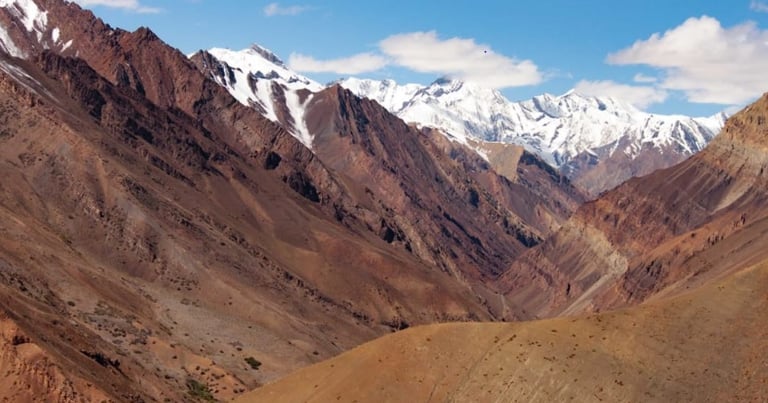
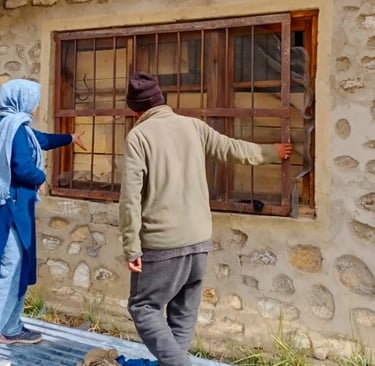
Himalayan Brown Bear Conflicts in Human Settlements
-Conservation with Compassion in the Himalayas-
Ladakh to Manali-Kulu Region, India 2019
Climate change and shrinking habitats are pushing Himalayan brown bears into Zanskar’s villages, rewriting the rules of human-wildlife conflict and coexistence. Since roughly 2015, bears have been venturing into new territories — into the whole of the Stod Valley, and later to Zunkhur in central Zanskar. Although considered shy and known to avoid human contact, there are more and more incidents of bears entering villages and sometimes getting trapped inside a school or a monastery kitchen.. Conservation awareness and education efforts are instilling the idea of coexistence in school children and elders. A bear guardian programme was launched to involve local communities in bear conservation and conflict mitigation; training people to protectively bear-proof their livestock enclosures, homes, and watermills; and learning to record evidence of bear movement.
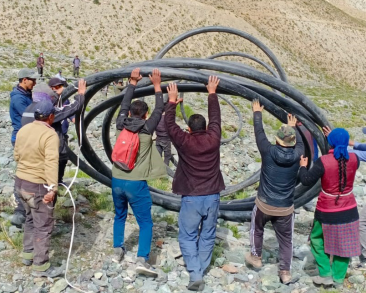
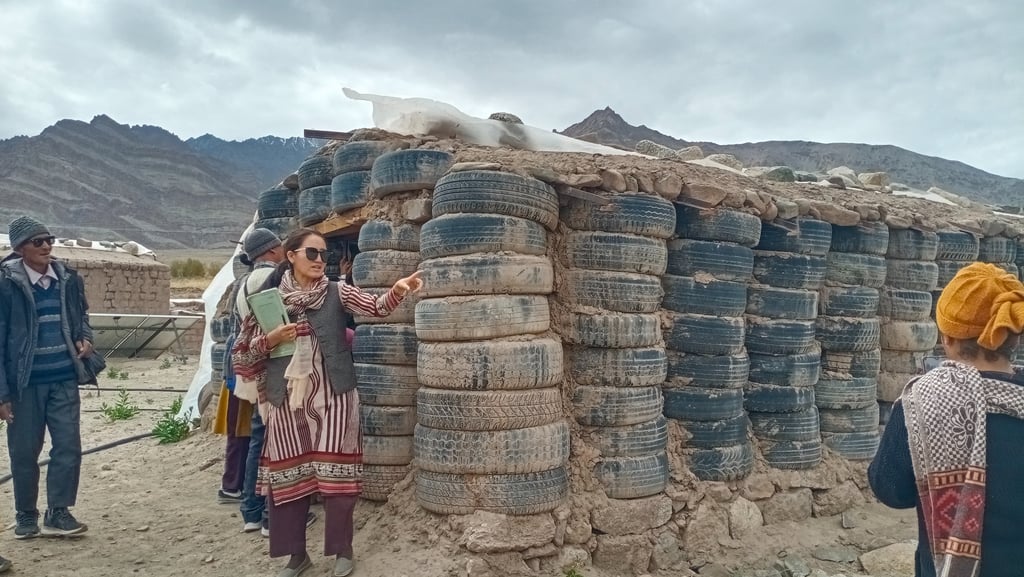
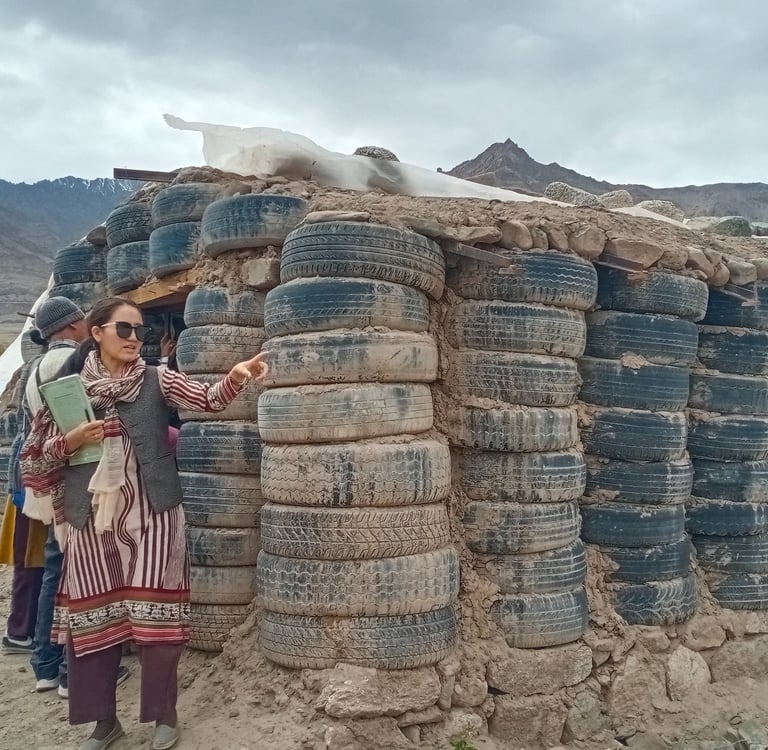
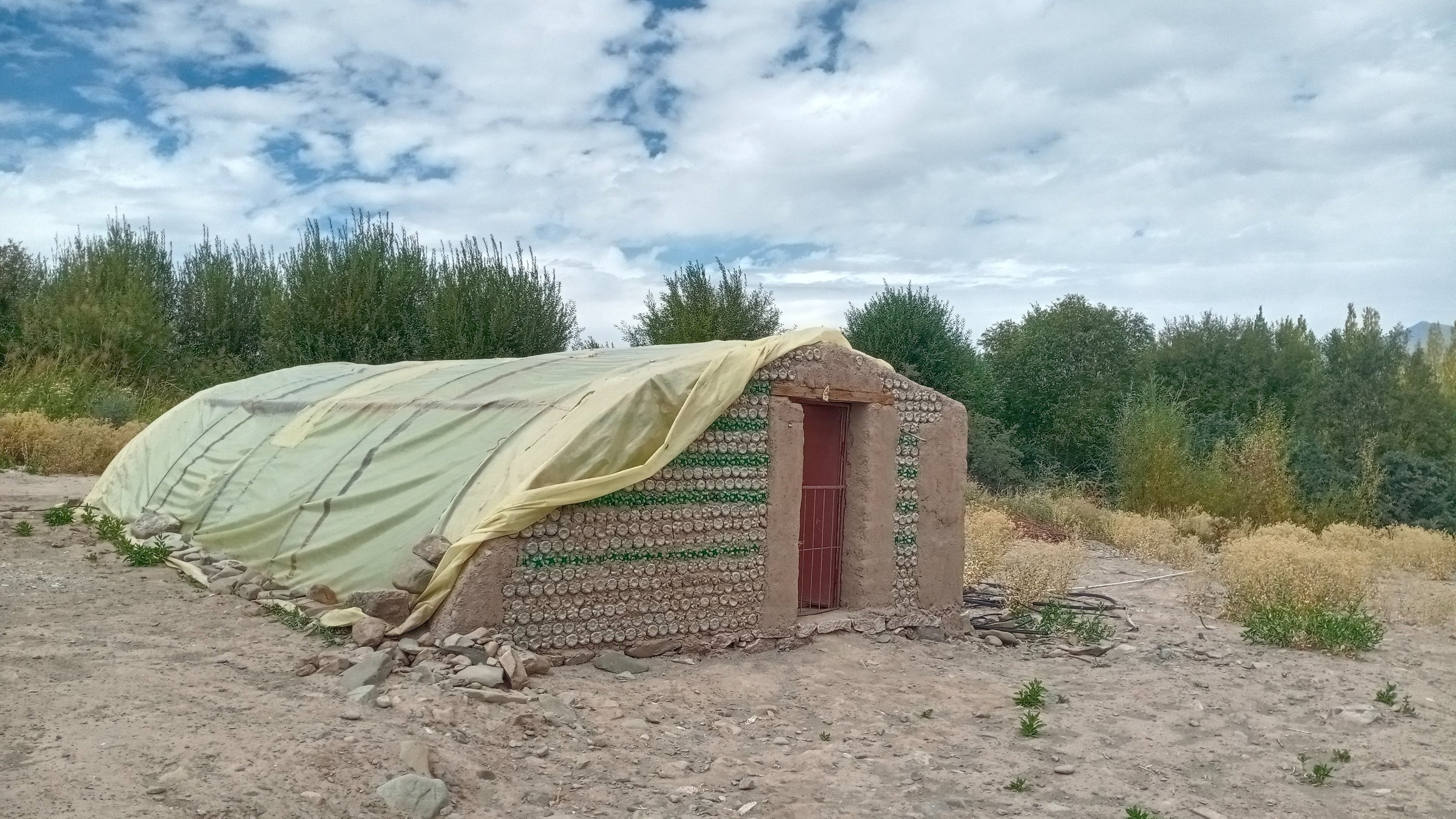
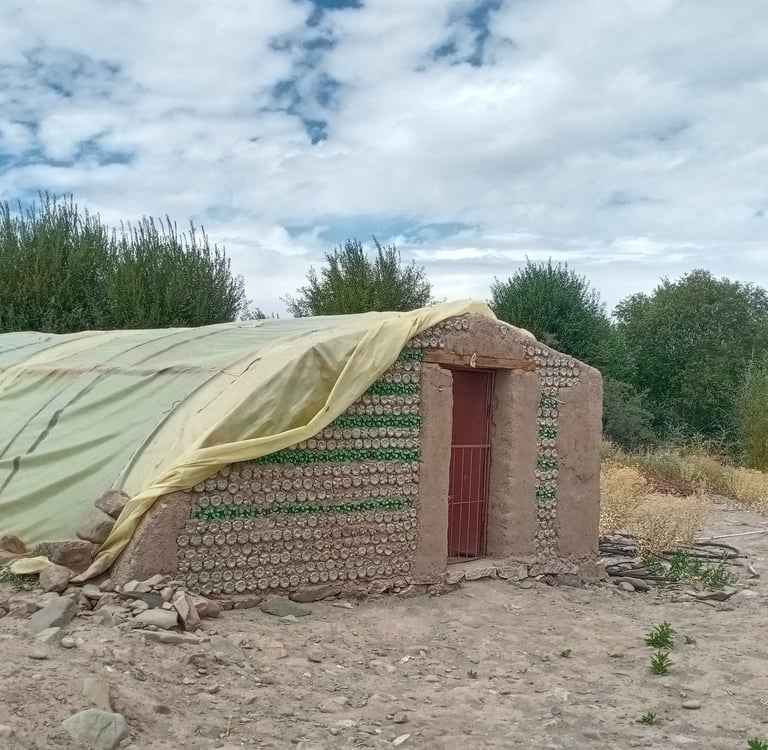
Greenhouses from Recycled Materials
to Replace Weather Damaged Crops
-Conservation with Compassion in the Himalayas-
Zansker Region, India 2025




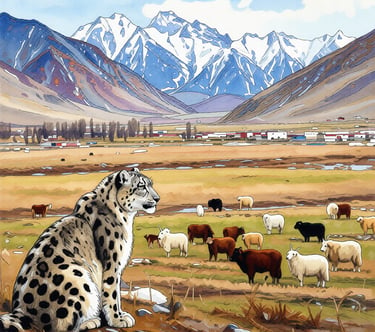
Snow Leopard / Human Conflict Project
-Snow Leopard Conservancy India Trust -
Ladahk, India 2009 and 2019
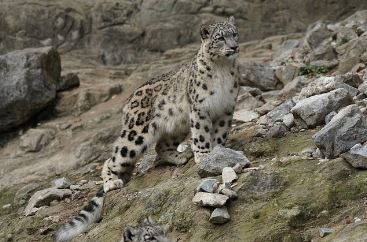
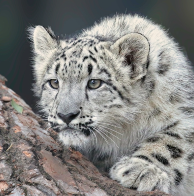
The Snow Leopard Project was a community assistance grant to a village in Ladahk, India. The nearby Snow Leopard population had long been a problem of predation danger to resident farmers, their livestock, and villagers. A Snow Leopard conservation group endeavored to find alternative solutions than simply killing off the leopard population, by using a blend of education, social-marketing, and communication strategies to try and ease the conflict.
For a special bonus video: click on the Start arrow
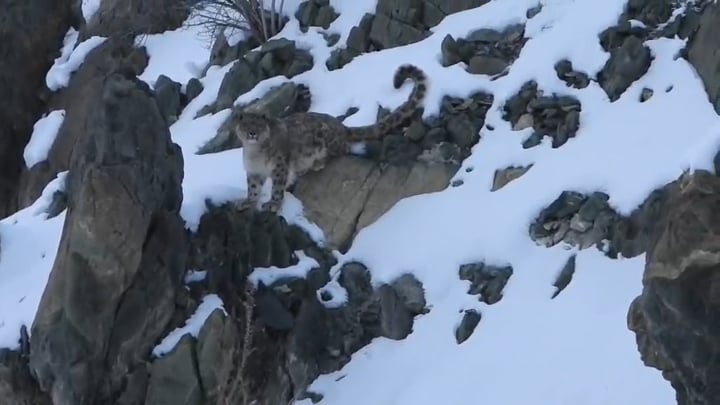
Note: Video used w/permission from KC Namgyal, a standout participant in the 2009 Applied EE Course - Amravati, India


Pollinator Awareness Program for Educators
-Nepal Pollinator Network-
Nepal, 2020
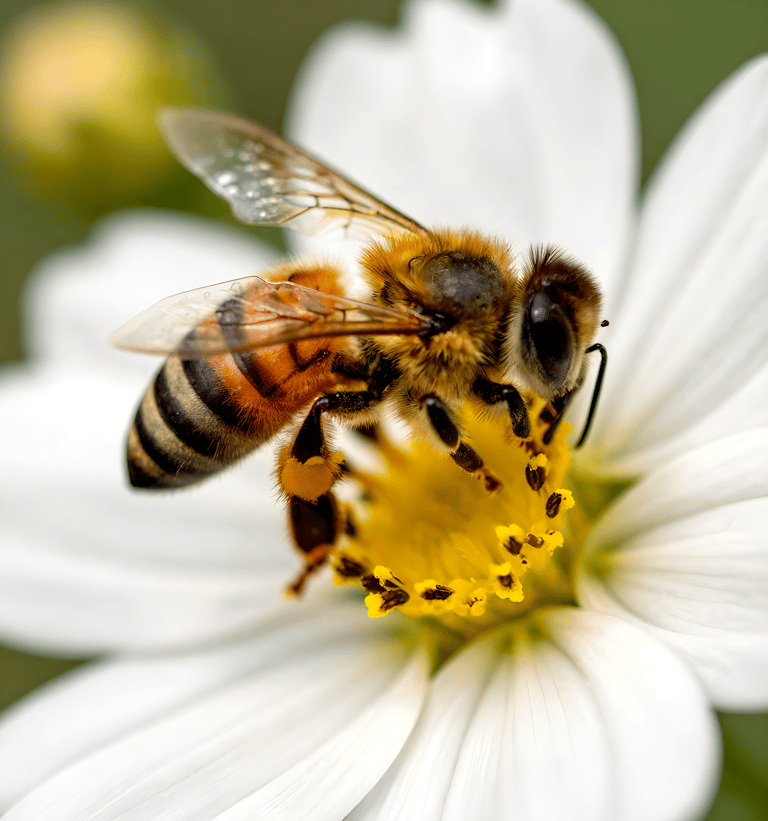
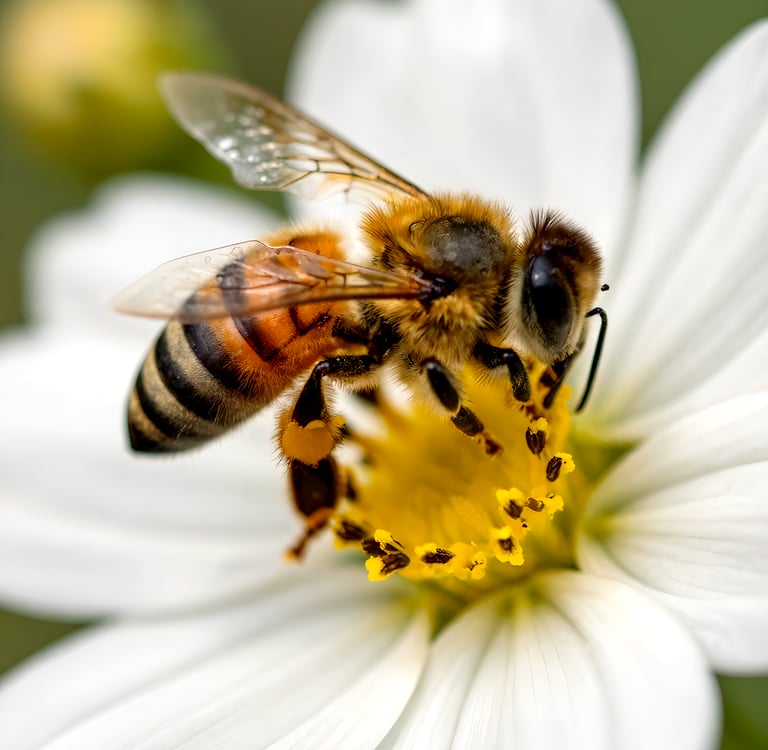
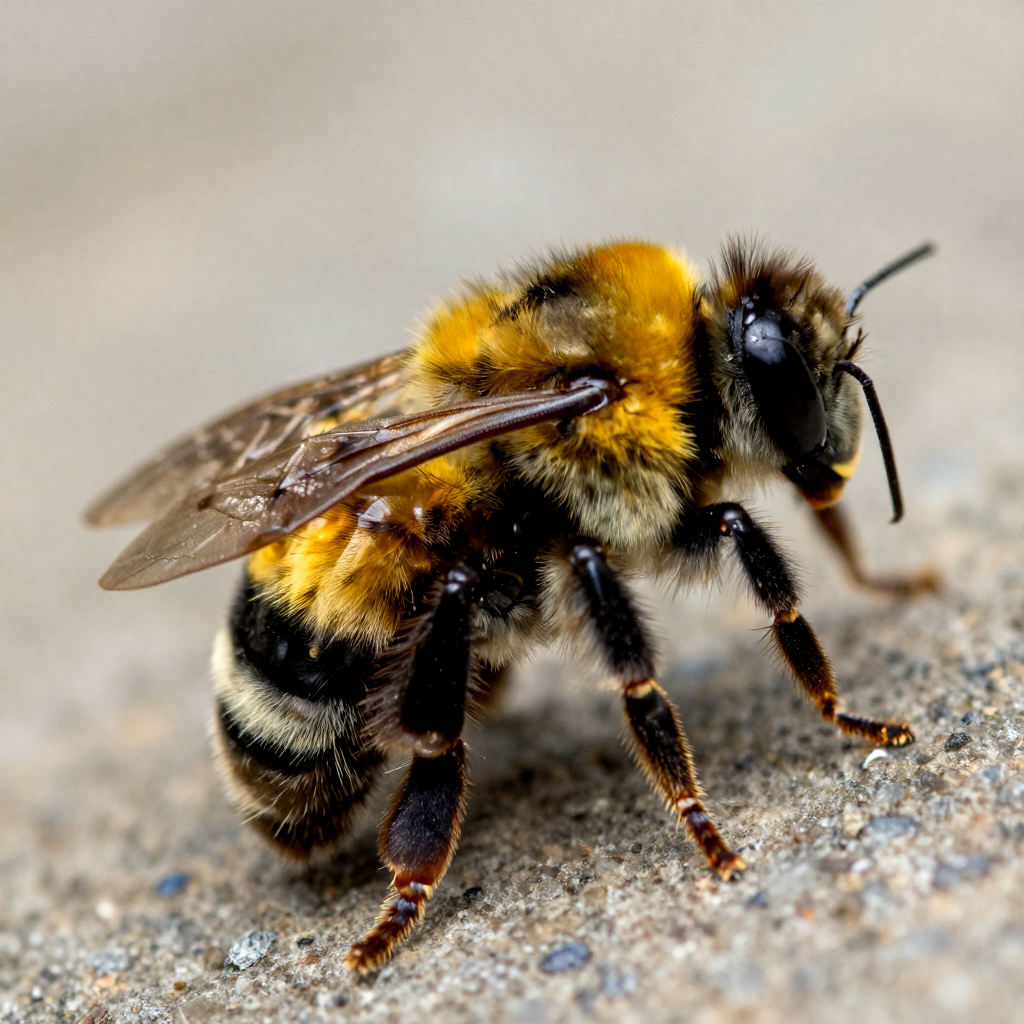
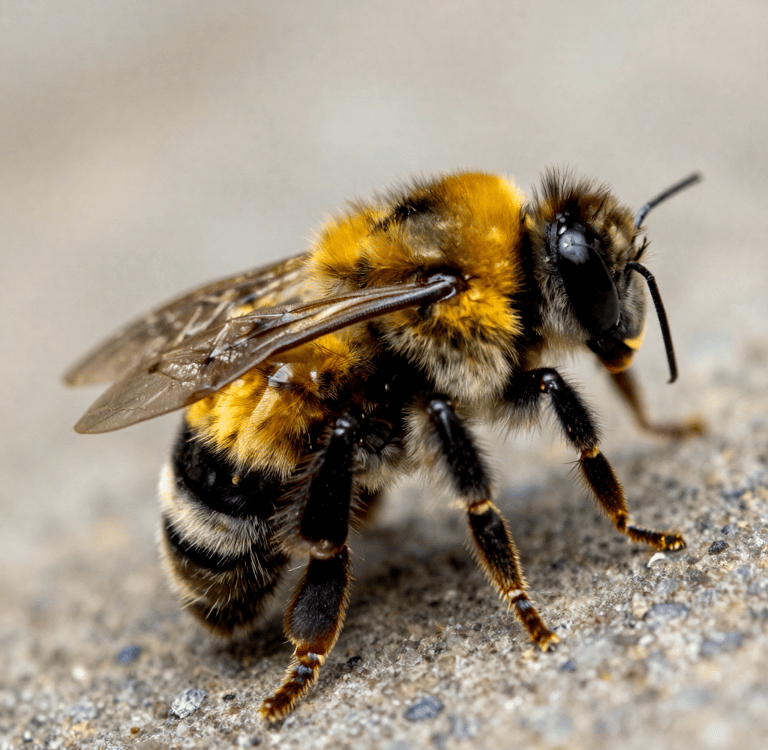
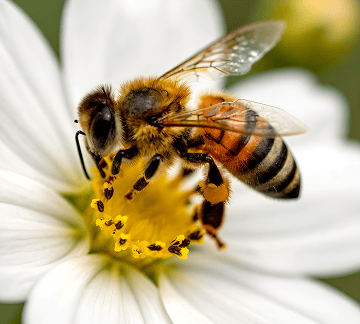
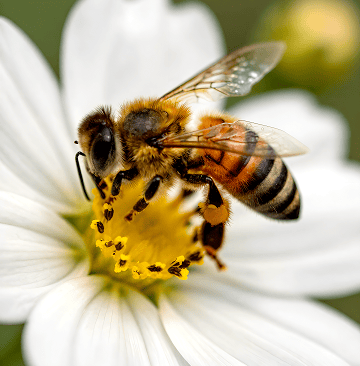
EECG provided funds to the Nepal Pollinator Network to implement their pollinator education program. They produced educational materials and educational programs on pollinators with an emphasis on bumblebees. The material includes: An instructional manual on how to conduct pollinator environmental education in the Nepal context; detailed session plans for EE practitioners or schoolteachers; practical activities to involve participants in understanding the core concepts of bumblebee conservation; and a list of easy conservation practices that interested participants can adopt in their daily lives.


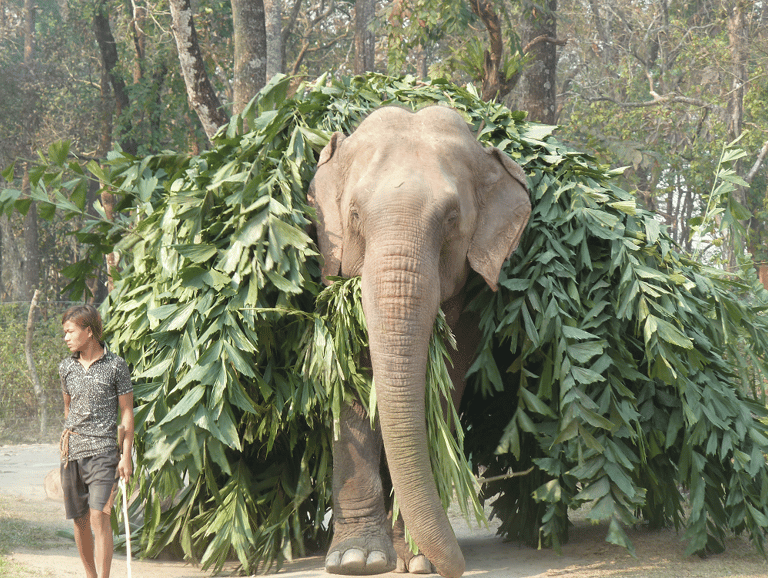
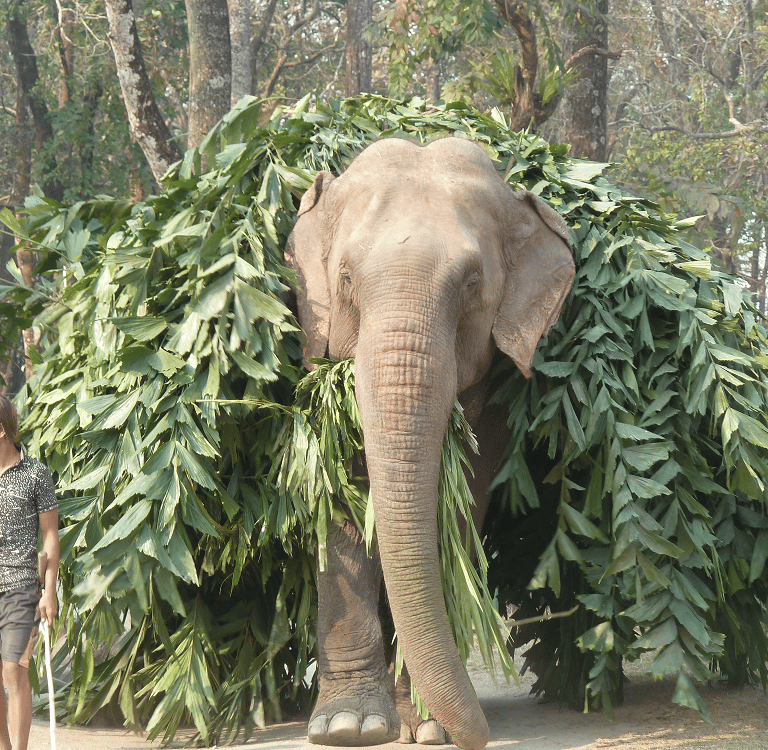
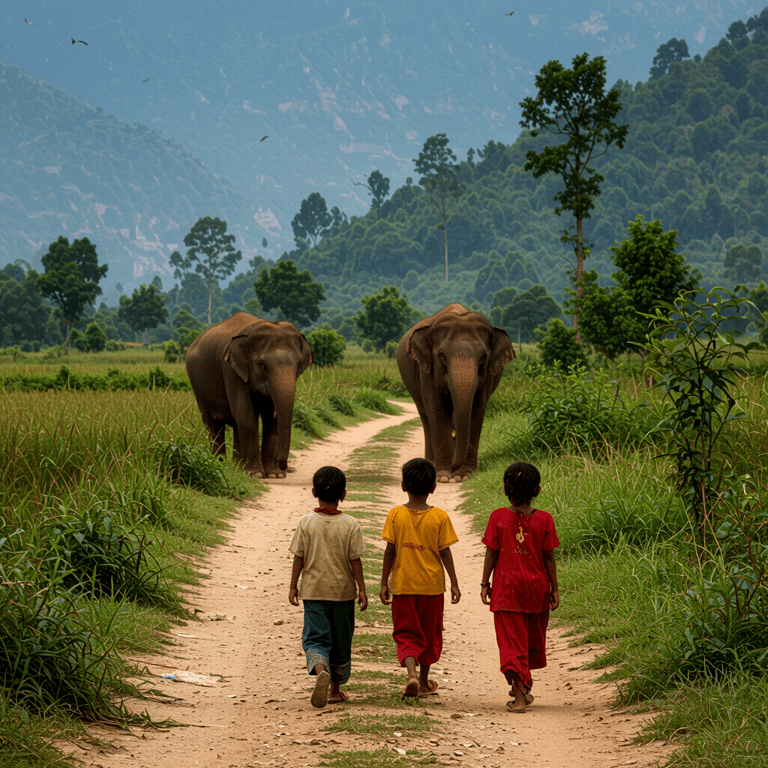
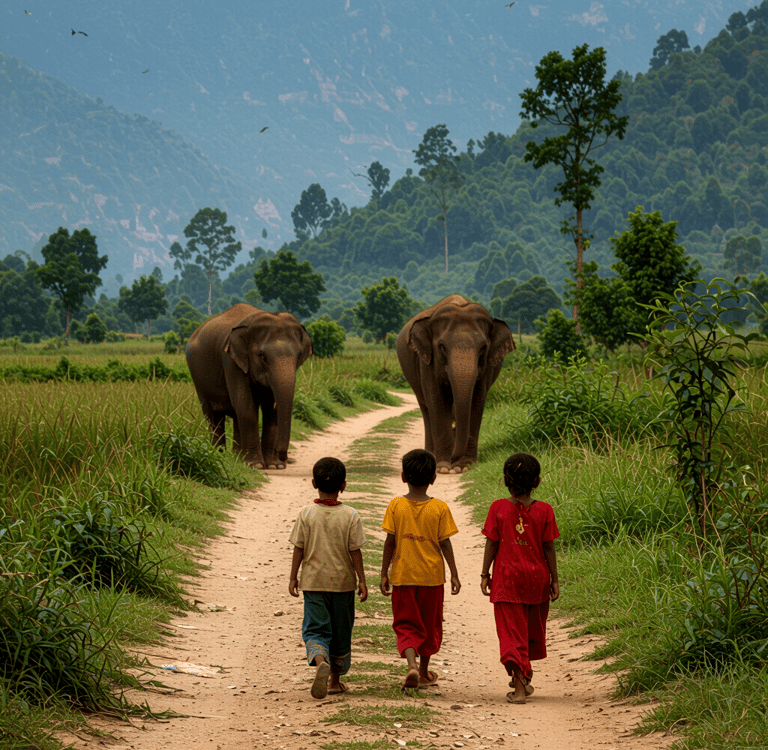
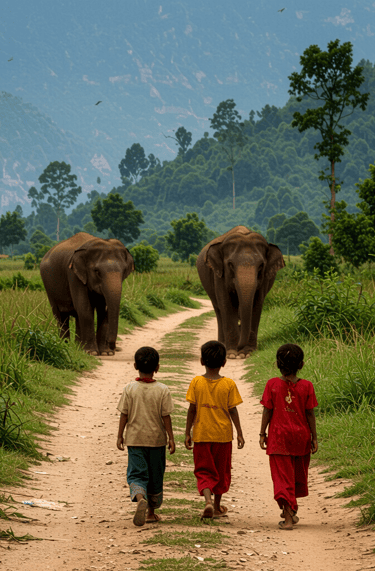
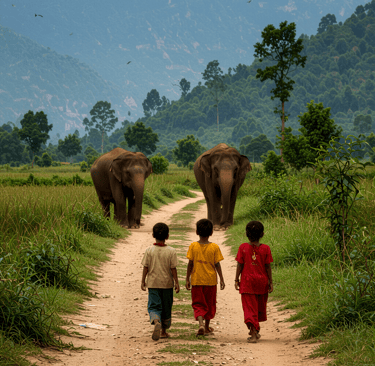
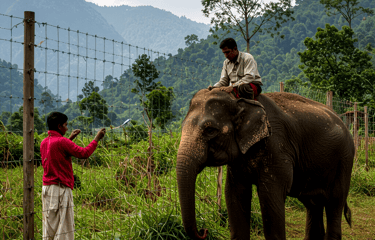
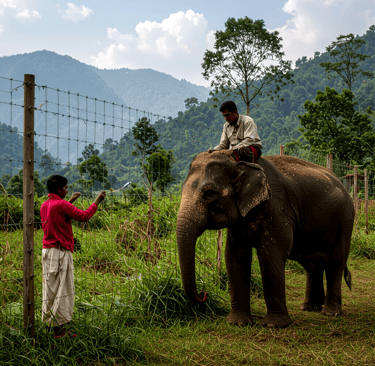
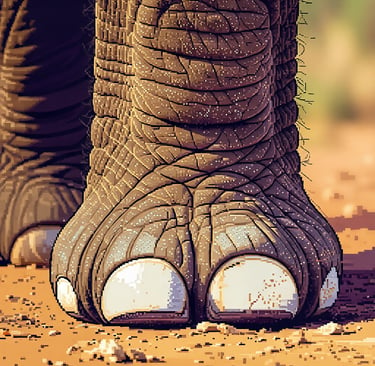
Human/Elephant Conflict Mitigation
Through Use of Electric Fencing
-National Trust for Nature Education-
Nepal, 2013


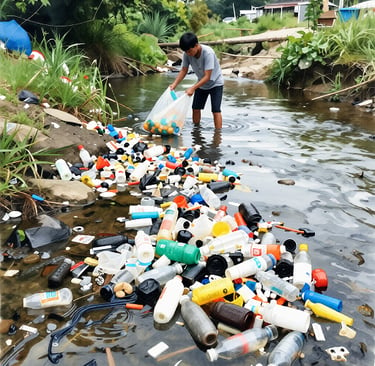
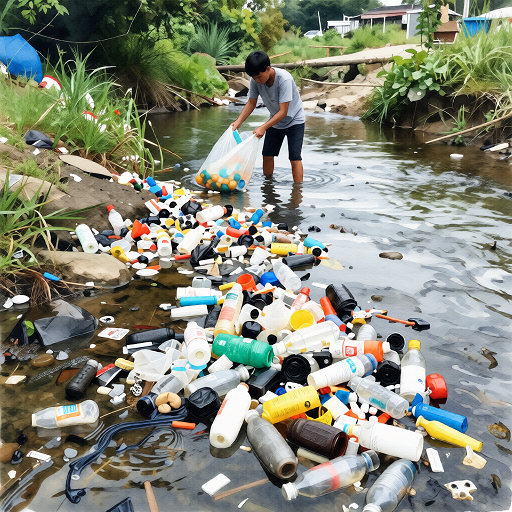
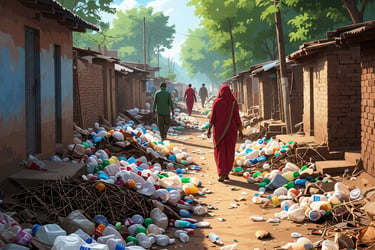
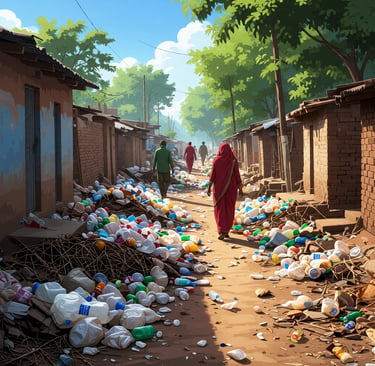
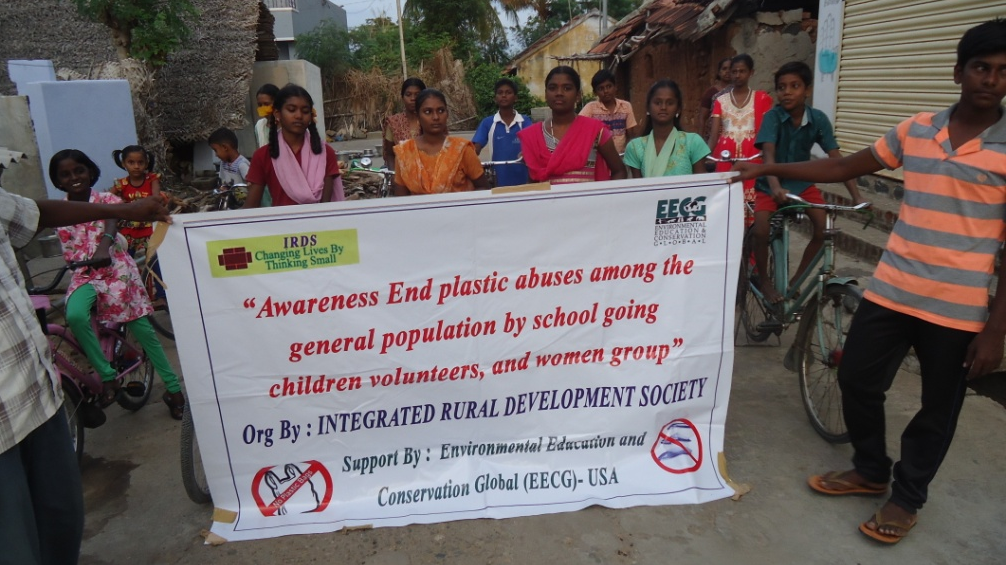
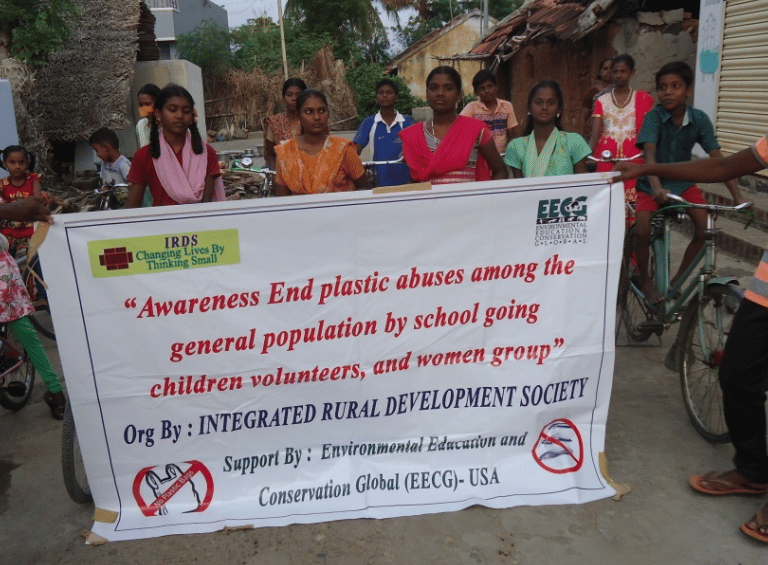
Overuse of Plastic in Villages
-Village Education and Economic Development- (2020)
-Women for Women- (2017)
India




Spotlight Projects, Years Past....

Namibian Wild Dog Project
-Namibian Nature Foundation-
Namibia, 2010
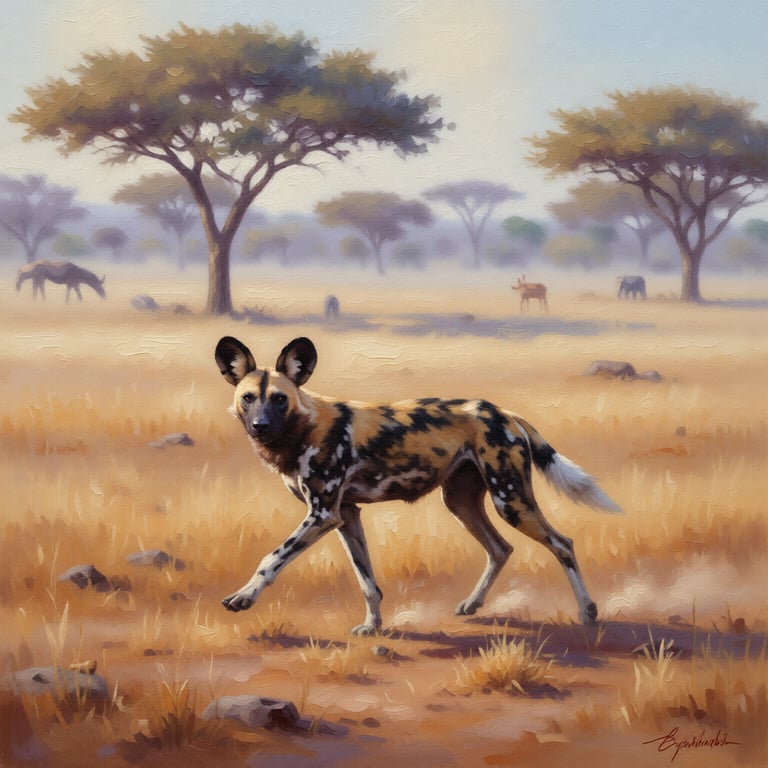
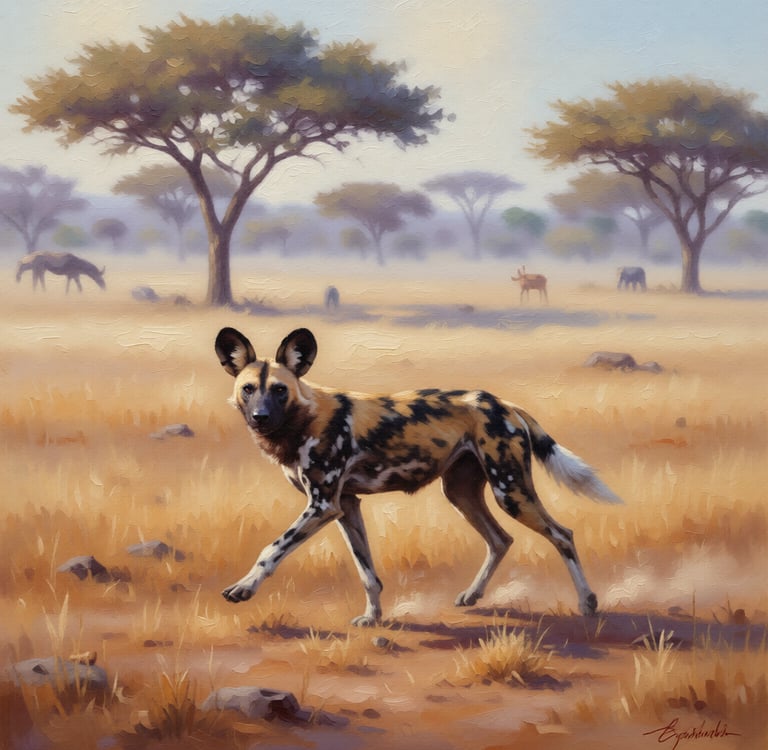
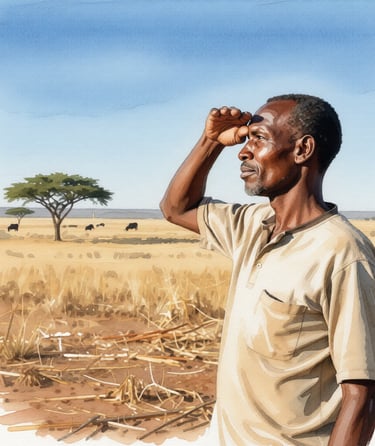
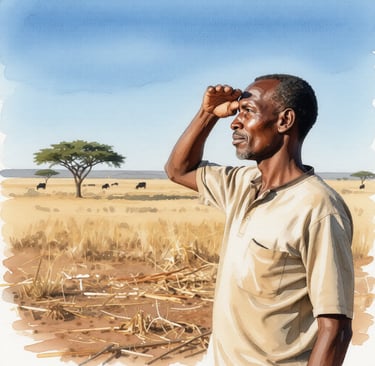
African Wild Dogs are a flagship and sentinel species in Namibia, but under immense pressure due to habitat incursion and a less-than-positive public reputation. An important angle to address the problem is outreach in farming communities combined with environmental education in the surrounding area, both at youth and adult level. EECG provided support funding to facilitate the needed conservation initiatives.

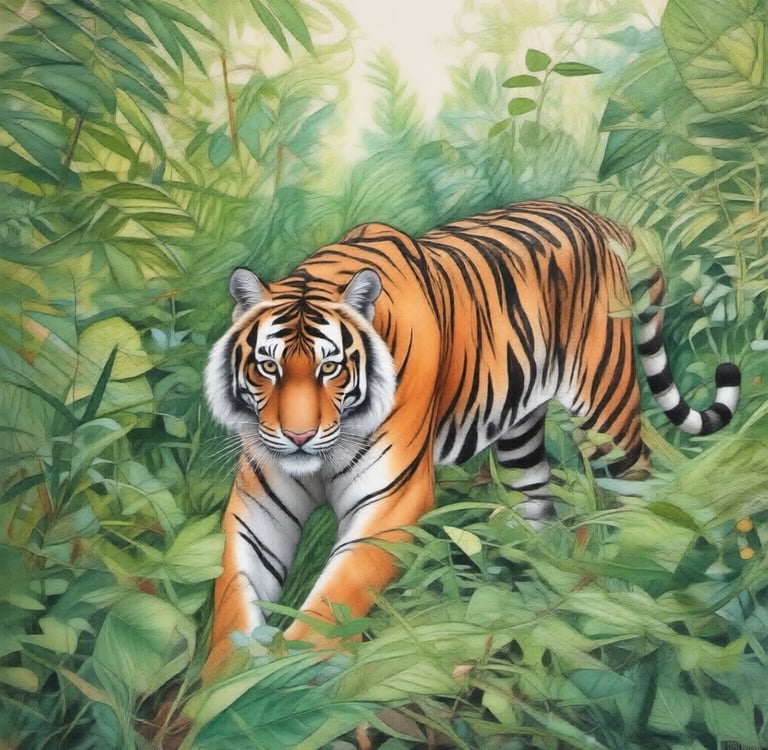
Using Bio-gas to Reduce Tiger/Human Conflicts
-Wildlife Team (formerly Wildlife Trust of Bangladesh)-
Chandai-Sundarbans, Bangladesh, 2014
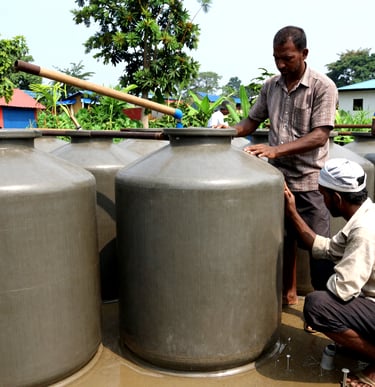
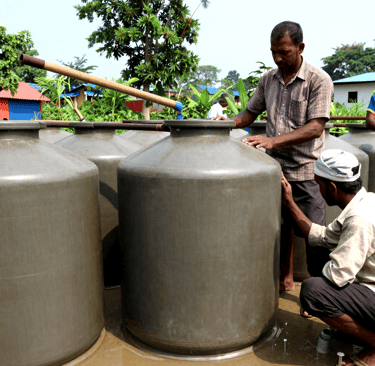
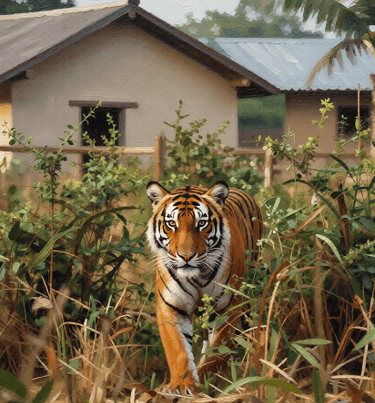
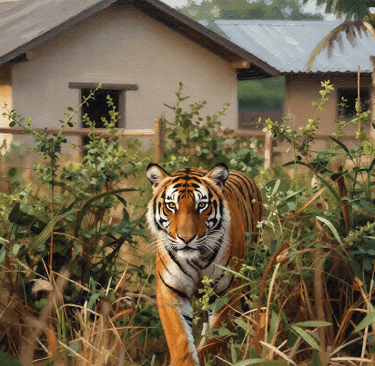
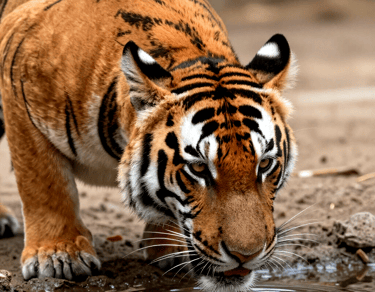
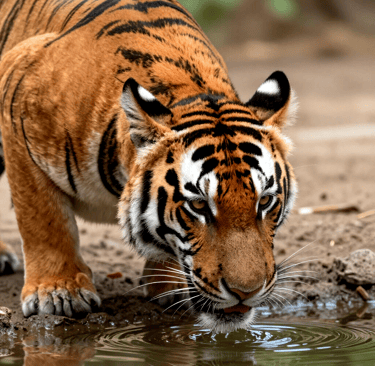
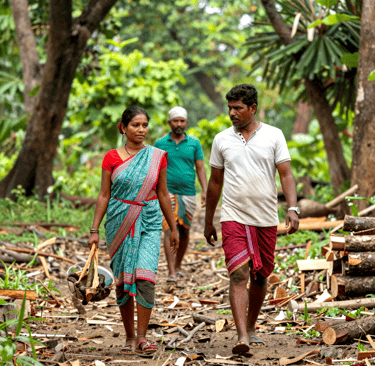
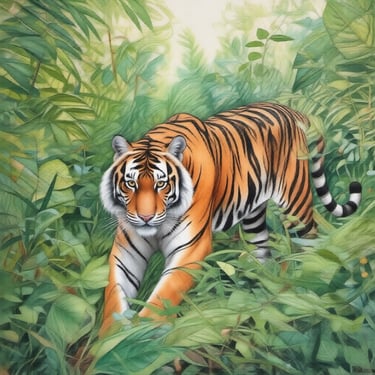
Biogas reduces human-tiger conflicts in India and Bangladesh by providing rural households with a sustainable alternative to firewood, cow dung and organic waste - thus reducing the need for villagers to enter tiger-inhabited forests. This decrease in forest dependence lowers the risk of surprise encounters, tiger attacks, and retaliatory killings, while also reducing the need to collect fuel near protected areas.
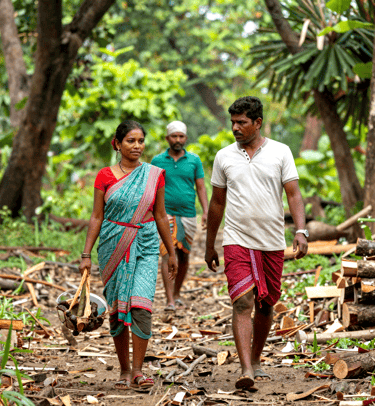

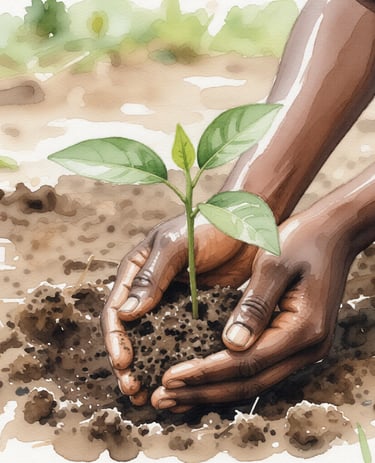
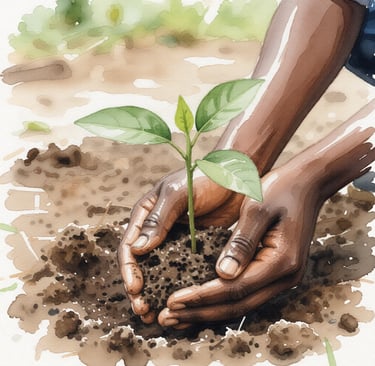
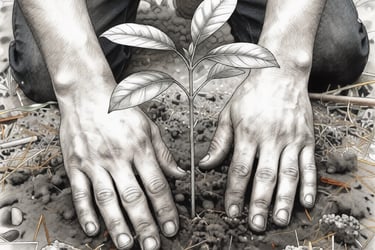
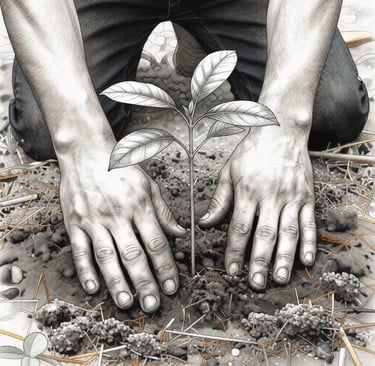
Community Tree Planting Project
-Greenzones of Perkera-
Baringo County, Kenya, 2013
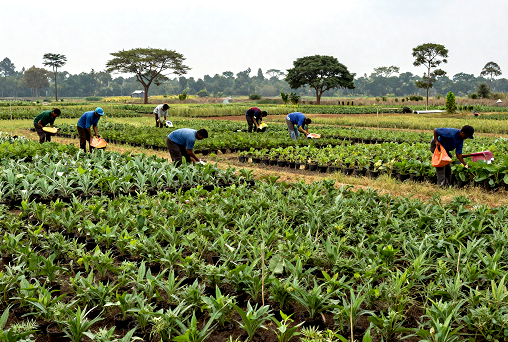
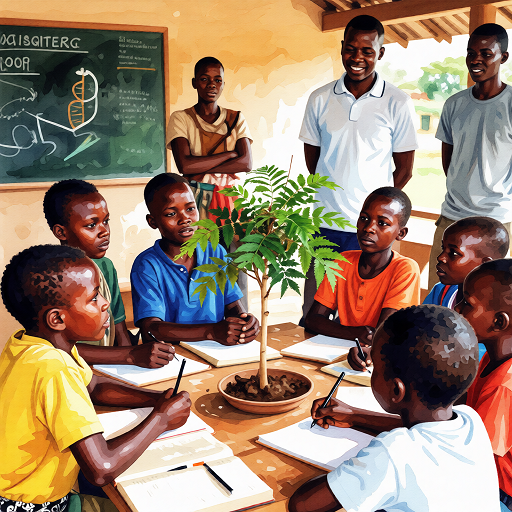

Building Teacher Capacity to Manage Eco-Clubs
-Environmental Governance Institute-
Cameroon, 2013


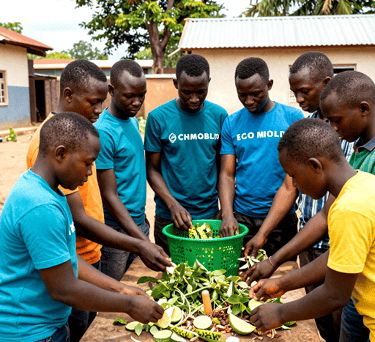


Reducing Incursion Rate into Gashaka-Gumbi Natl. Park
-Adeniran College of Education-
Nigeria, 2004

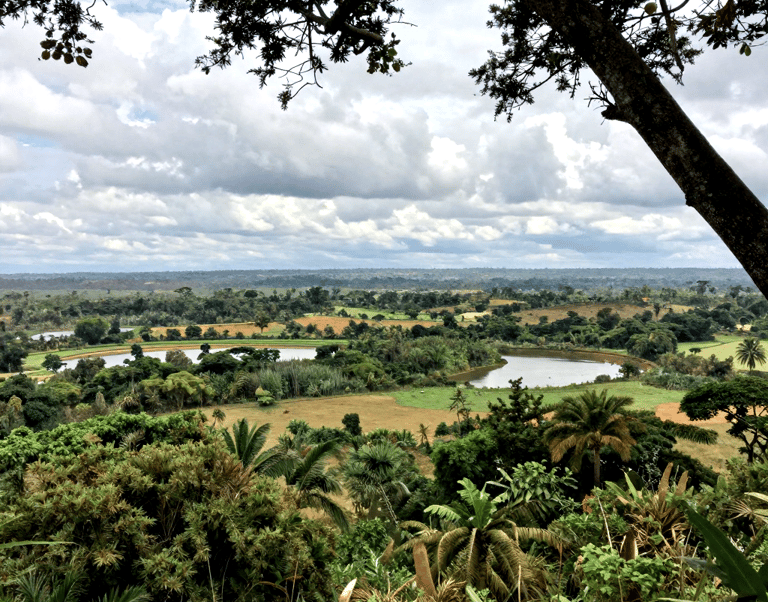
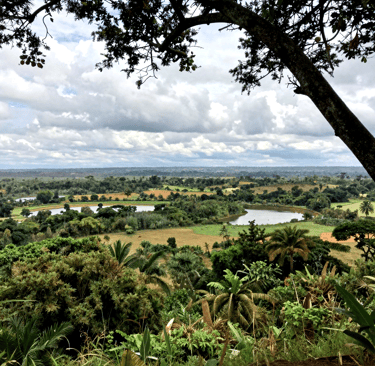

Annual Bird Fair in Jaipur
-Tourism and Wildlife Society of India-
India, 2008 and 2016




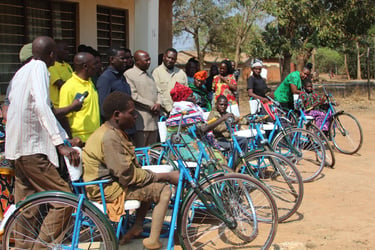

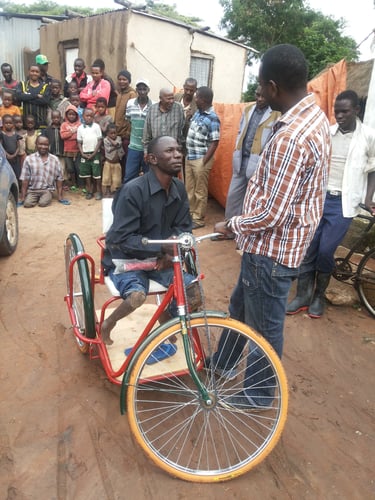
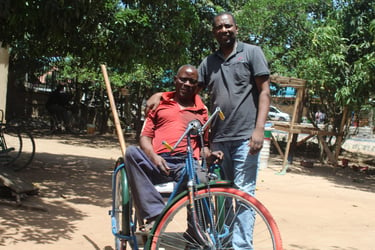
Accessibility Project: Wheelchairs and Wildlife
Tanzania, Africa
On-going since 2016
The wheelchair initiative in Tanzania is a collaboration between EECG and Peace for Conservation, aimed at supplying 100 wheelchairs to individuals with physical disabilities in the surrounding community near Serengeti National Park. At the same time, the initiative supports educational and wildlife conservation efforts.


A Dazzling Array of Creative and Innovative EE and
Conservation Projects from Peace for Conservation:
The Peace for Conservation Organization
Innovative EE in Tanzania Since 2007!
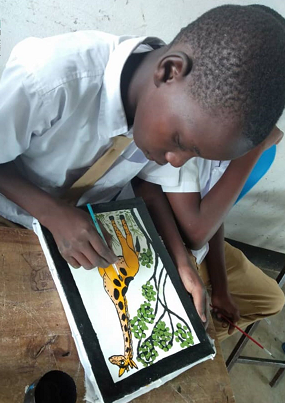
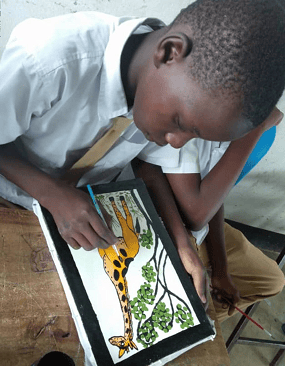
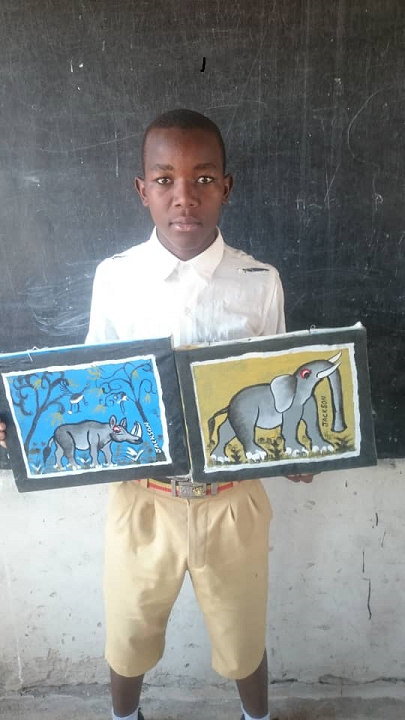
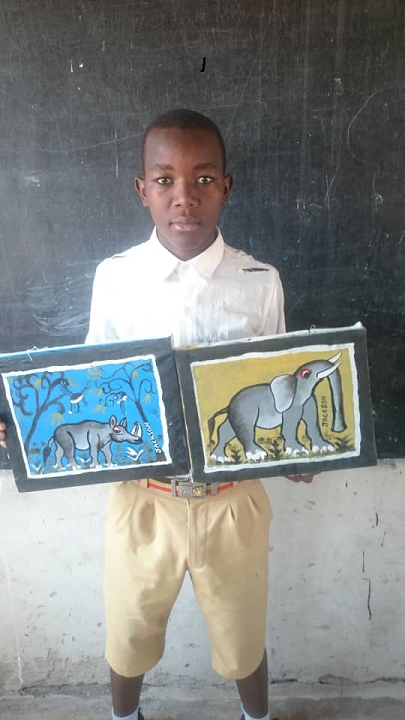
Conservation Arts Painting Class 2025
Conservation and Beekeeping 2025
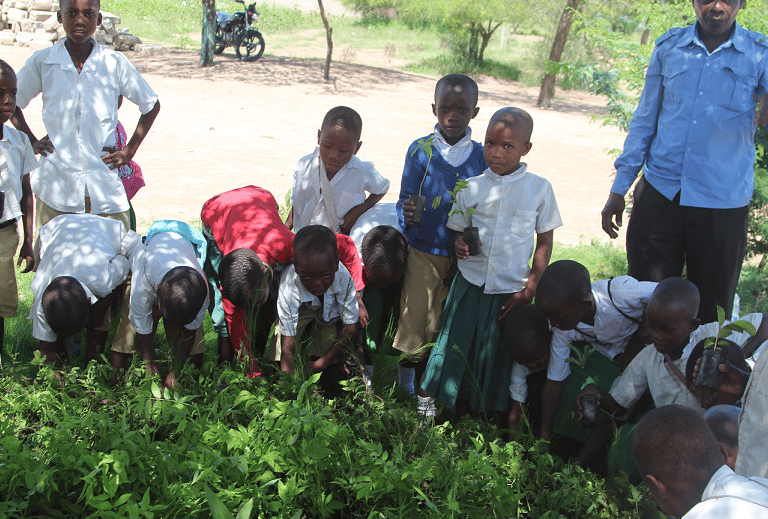
Tree Planting 2023
Capacity Building/Training in Schools 2023
Organizational Support 2022-23
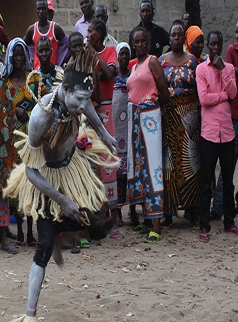
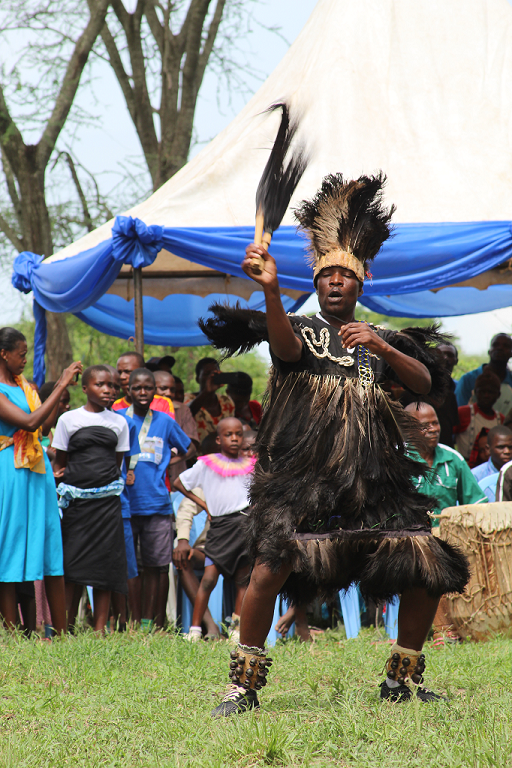
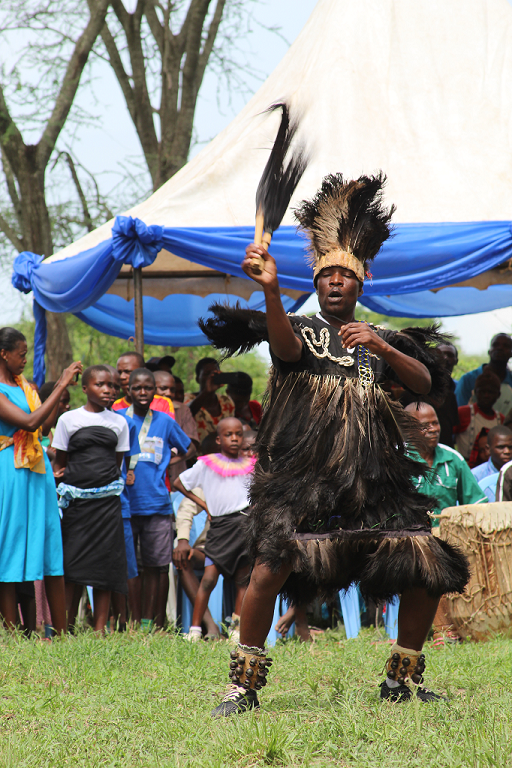
Dance & Comedy Show for Conservation 2022-23
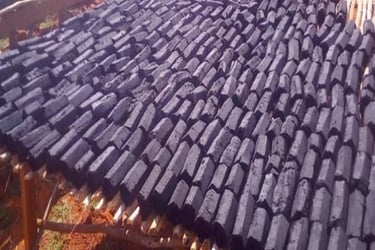
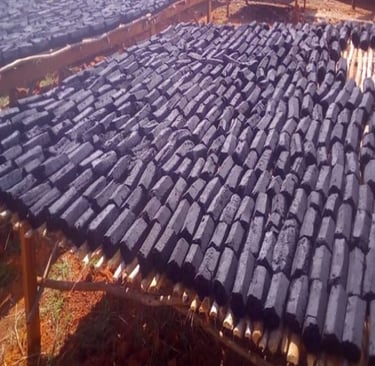
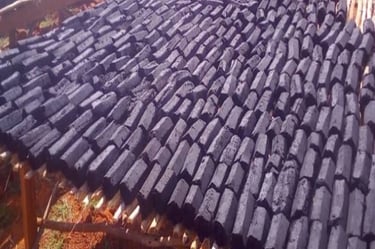
Rice Husk Charcoal Production (C3 project) 2022
School Construction Supplies 2021
Nursery Plantation at School 2021
Child to Child for Conservation 2021-22
Conservation Outreach Programs 2020
Child to Child for Elephant Protection 2017-20
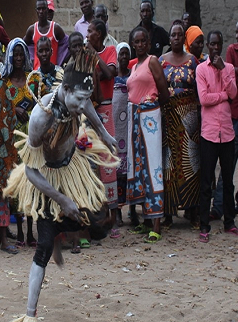
Dance for Conservation 2019-20
Wheelchairs and Wildlife 2016-25
Youth Sports Campaign Against Poaching 2015
Community Engagement / Wildlife Mngt 2015
Behavior Chng in Children re: Wildlife Cons. 2015
Conservation Knowledge in Primary Schls 2014
Dance 4 Elephants 2007



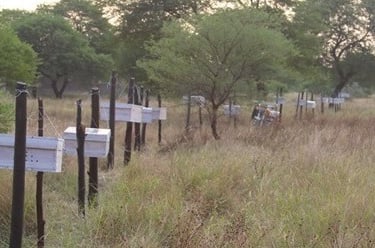
Beehive Fences for Reducing Human/Elephant Conflicts
Peace for Conservation
Tanzania, 2020
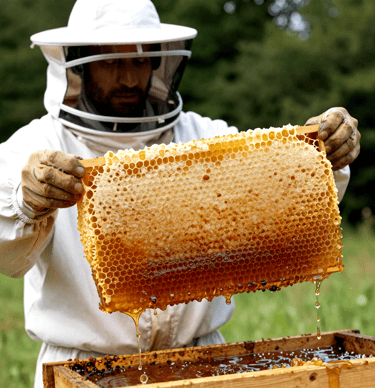
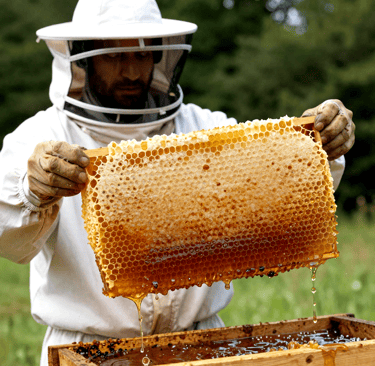
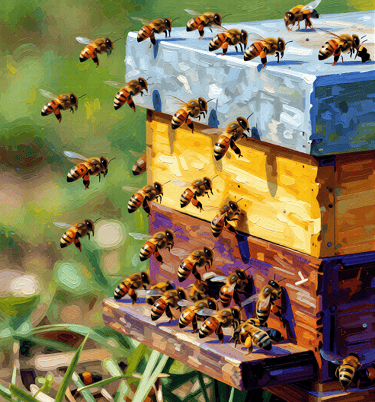
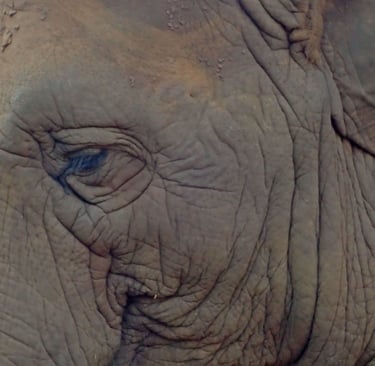
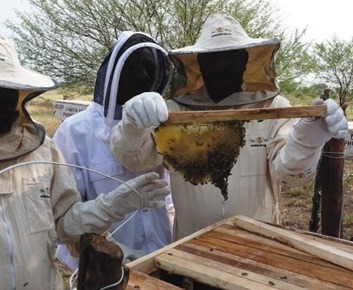
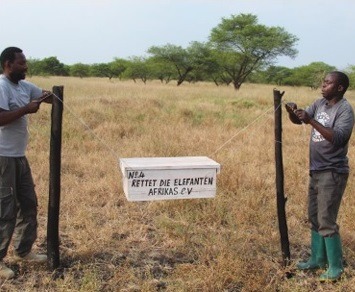
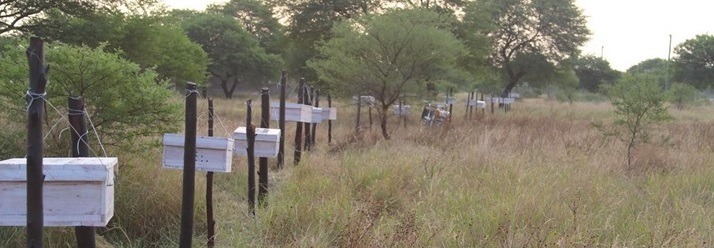
Research in Kenya has revealed that broadcasts of disturbed bee recordings cause elephants to run. When they do run away, the elephants emit a unique low frequency “bee alarm rumble” vocalization, a sound that warns neighboring elephants to retreat as well. Anecdotes from local people, report witnessing elephants being stung by swarms of bees, around the eyes and in the thinner skin behind the ears. Farmers affected by crop raids have been receiving training to install beehive fences. The main goal is to alleviate human-elephant conflict and promote tolerance of elephants in nearby human settlements and farm boundaries. The fences thus provide crop protection from elephant raids, as well as a source of income from honey sold in local markets.

EECG
c/o Ed McCrea, Exec. Director
204 East Locust St.
Coudersport, PA 16915
814-260-9138
emccrea@eecg.org