

International
Applied EE Courses
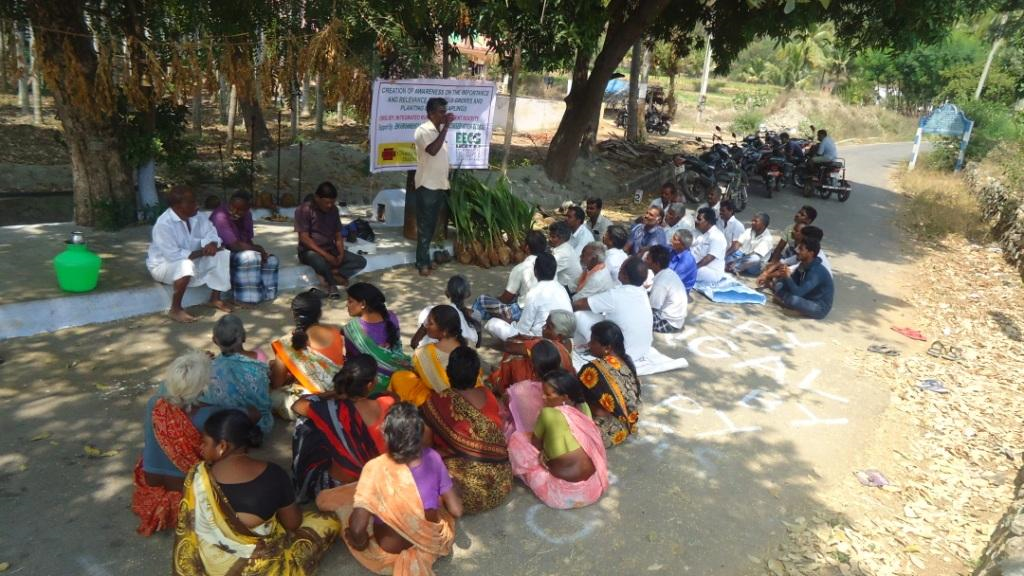
EECG delivers transformative experiential learning for environmental professionals across developing countries. Our teams, formed from the EECG network, work closely with local leaders to address significant ecological issues as a focusing theme faced by nearby communities. Each course or workshop, while hosted in various countries, carries an international spirit, allowing participants to broaden their understanding of pressing environmental challenges and innovative education strategies.
Professional Development:
EECG's Applied Environmental Education Courses
To date, more than 300 individuals have attended the courses. In addition to the core groups from the host countries, participants have come from:
Bangladesh
Botswana
Britain
Cambodia
India
Indonesia
Laos
Malaysia
Myanmar
Namibia
Nepal
Nigeria
Philippines
Thailand
Uganda
United States
Vietnam
Cameroon
China Grenada Hong Kong
EECG Professional Development: List of Applied EE Courses
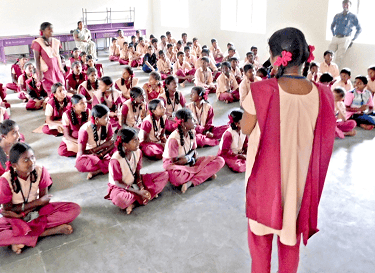
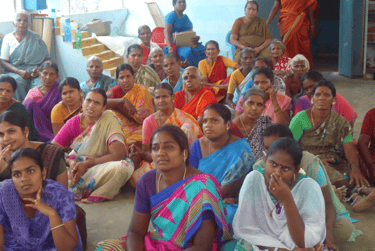
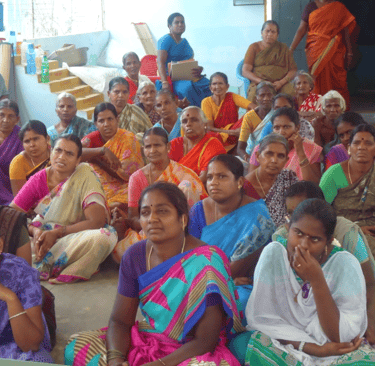
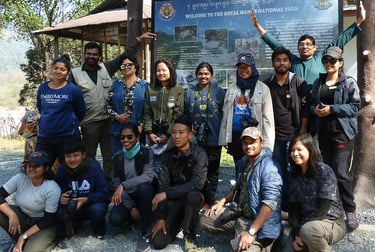
Examples of Course Structure/Activities...


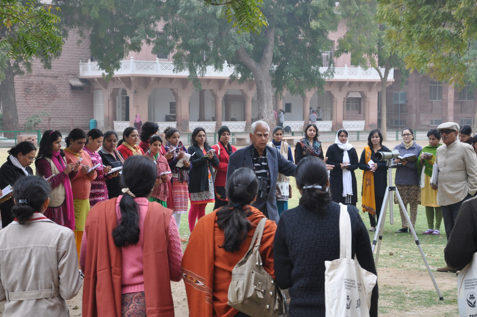
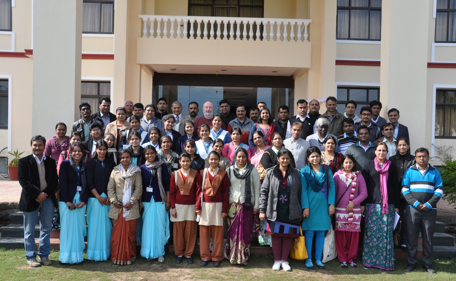
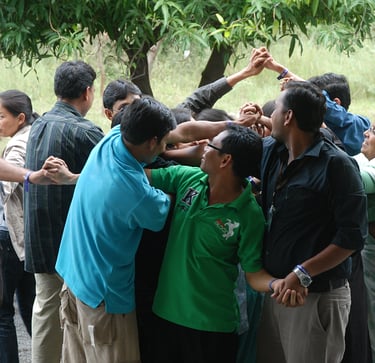
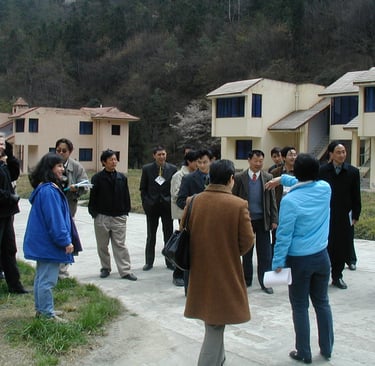
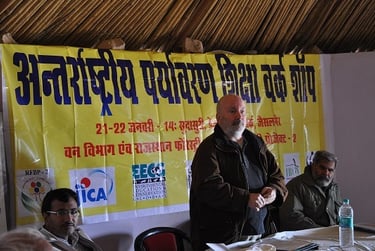
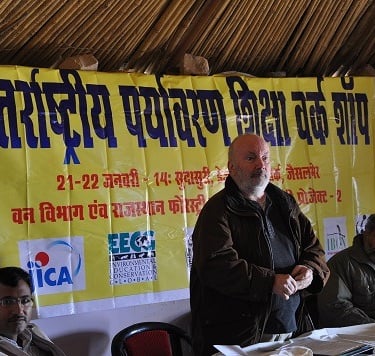
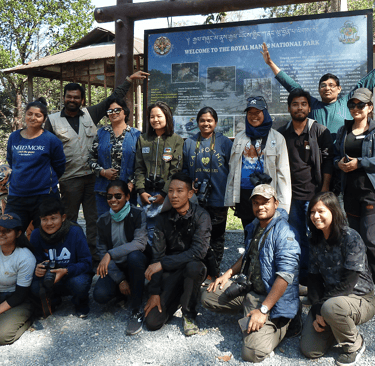
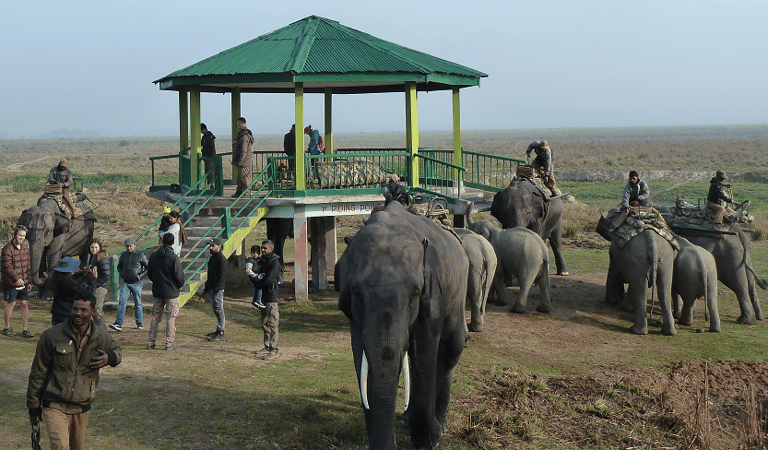
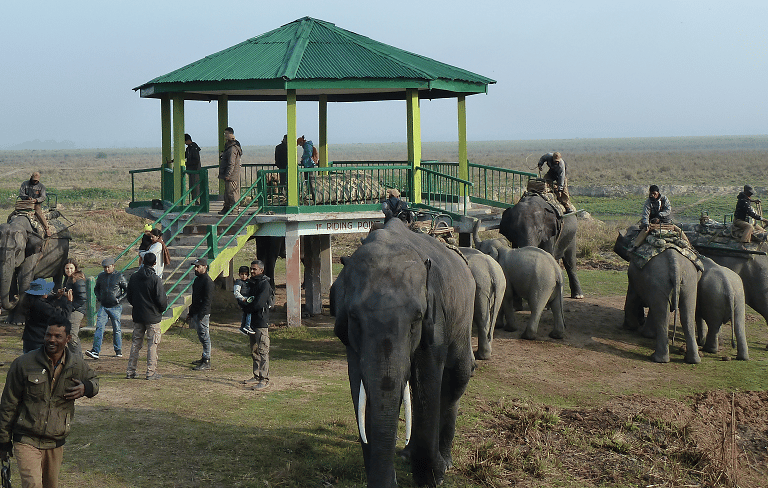
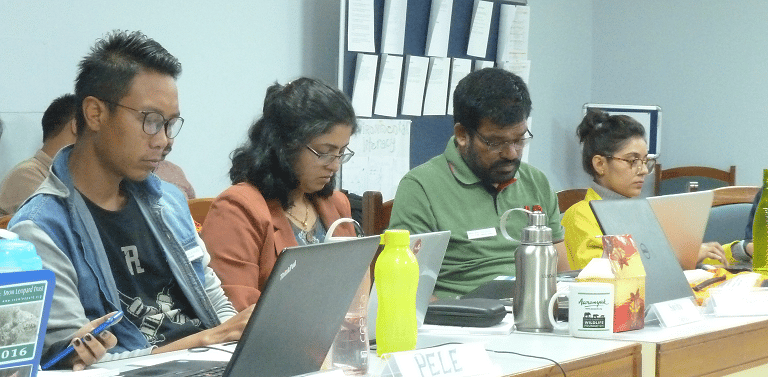
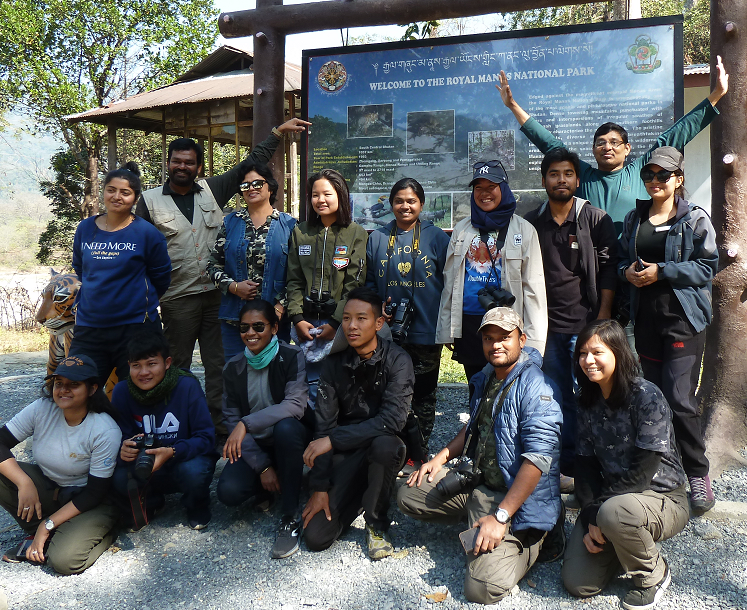
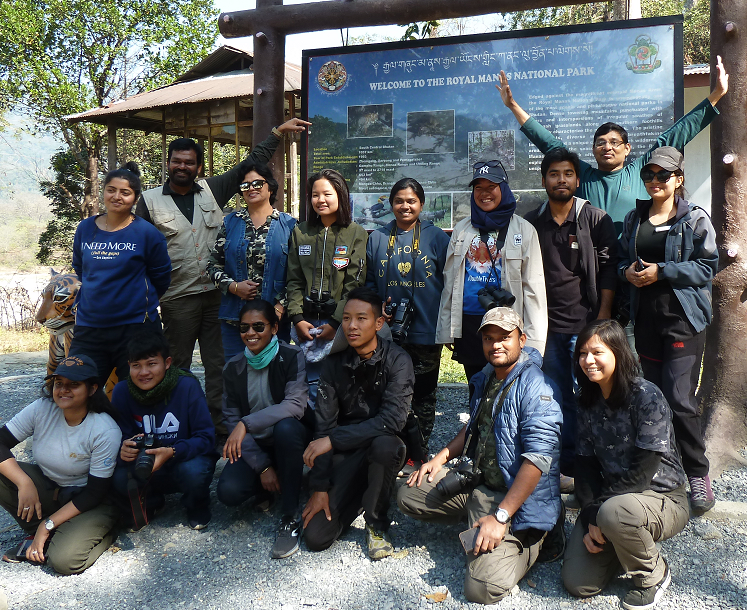
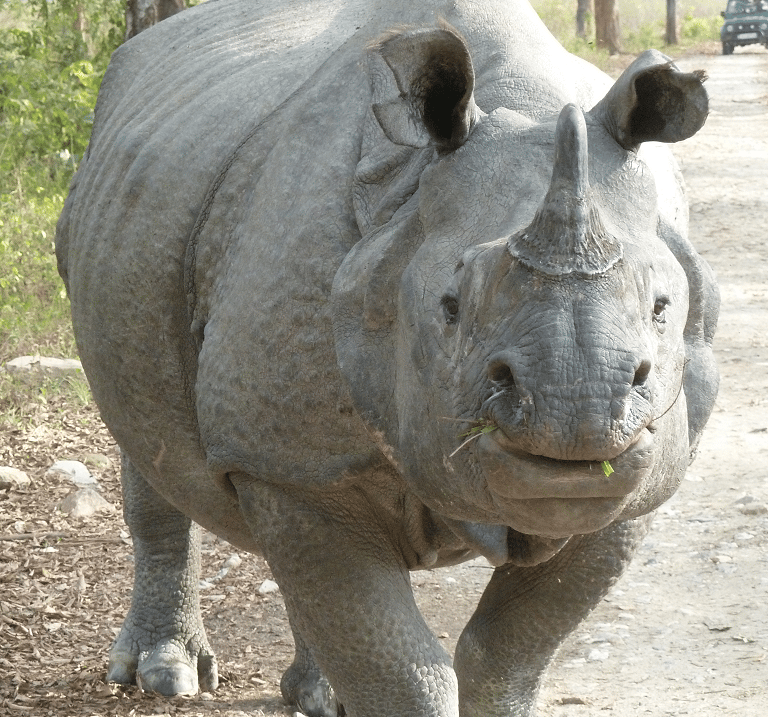
The Assam course was a 3-week international course on the use of education and communication strategies as effective conservation tools. The course demonstrated how environmental social marketing techniques can be integrated with overall education and communication strategies to produce effective and practical tools for solving environmental problems. It also created deeper understanding about services of ecosystems from nearby protected areas.
Course developers and sponsors: Environmental Education and Conservation Global (EECG), USA and Aaranyak, Guwahati, Assam, India were course developers instructors. IUCN (Integrated Tiger Habitat Conservation Programme), the Forest Department of the State of Assam, Manas National Park, Assam and Dibrugarh University, Assam sponsored and collaborated on course content, instruction, and logistics.
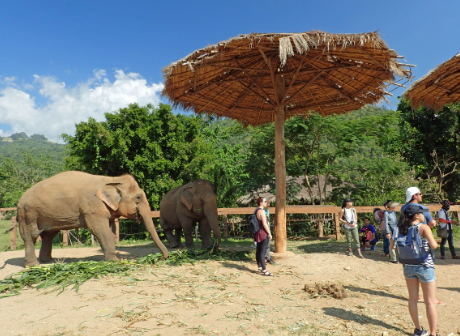
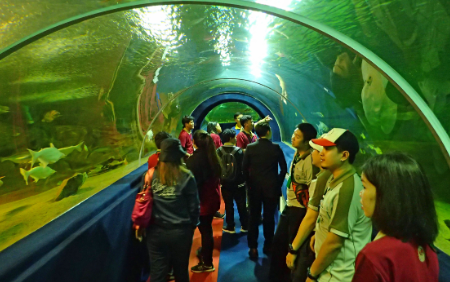
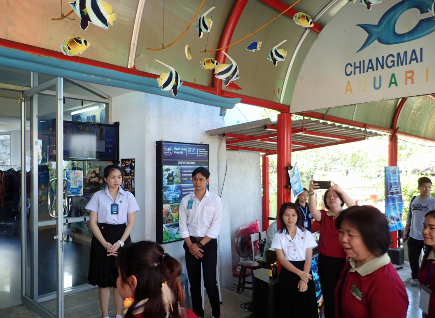
The Thai course was conducted at Chiangmai Zoo and Aquarium, Sept. 5-11, 1019 in collaboration with the Zoological Parks Organization (ZPO). The course focused on how to design and manage effective adult volunteer programs.
Instruction explored the benefits, challenges, and costs of such programs and how they can further a zoo’s conservation and environmental education objectives. Participants examined the key elements of successful volunteer programs including promotion, selection, training, supervision, coordination, retention, evaluation, and recognition - with emphasis on the importance of integrating adult volunteer programs into the zoo’s ongoing operations. Participants include staff from ZPO zoos in Thailand as well as zoos in neighboring countries.
Chiangmai Zoo, Chiangmai Thailand
September 5-11, 2019
Kaziranga and Manas National Parks,
Assam, India Jan 28 - Feb 17, 2019




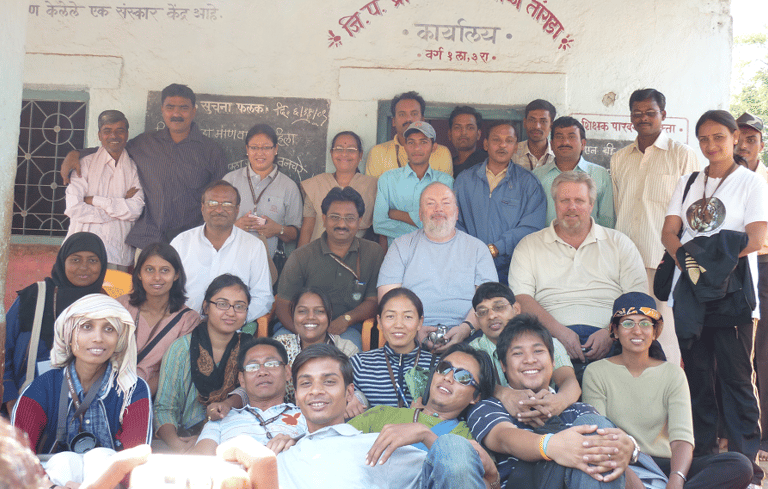
Amravati, India
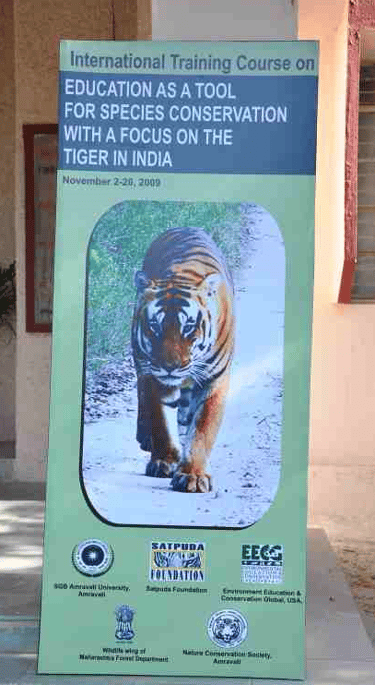
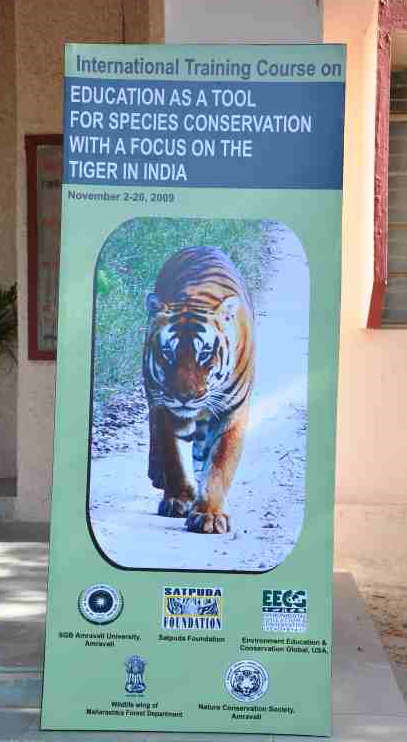
November 3-28, 2009
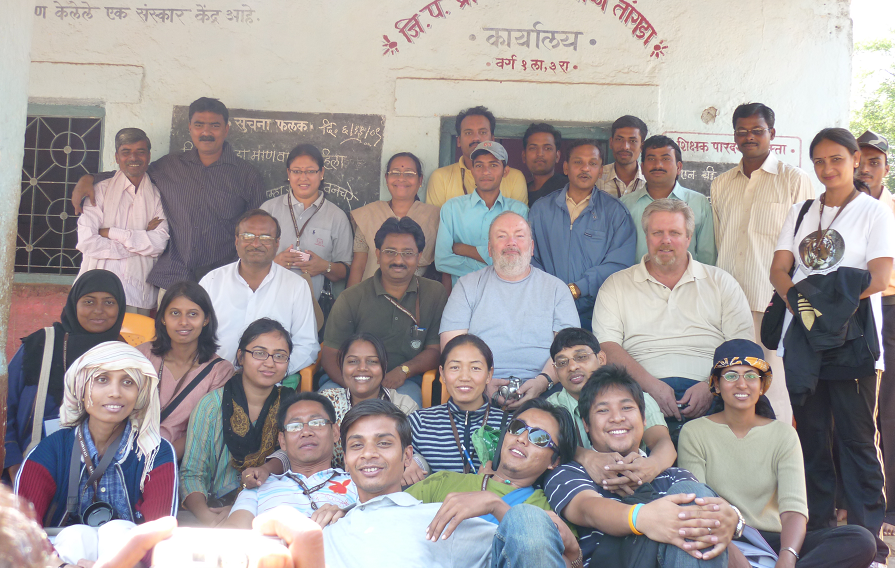
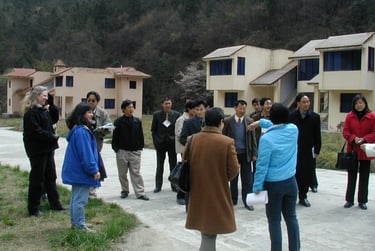
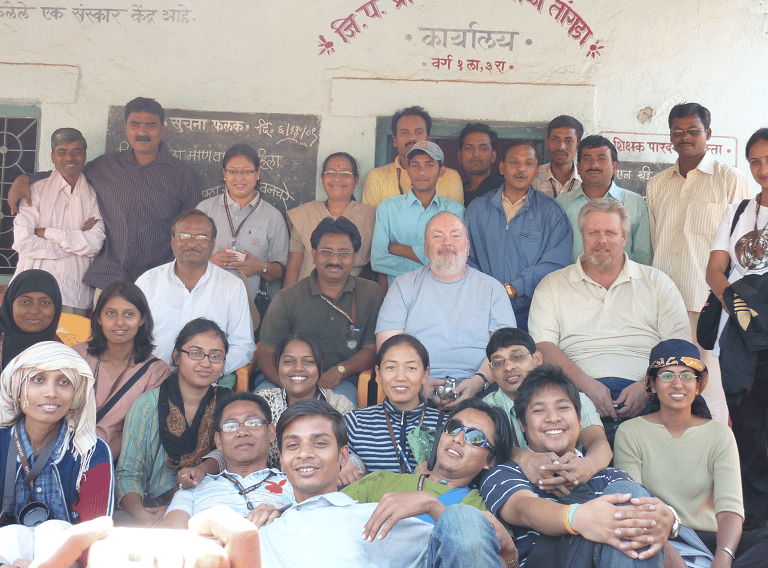
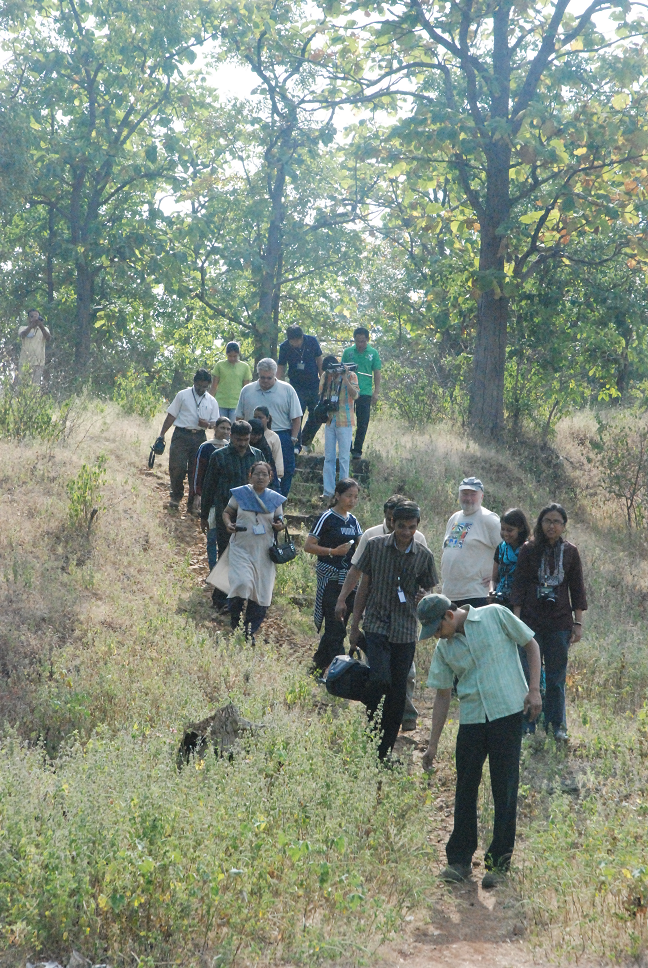
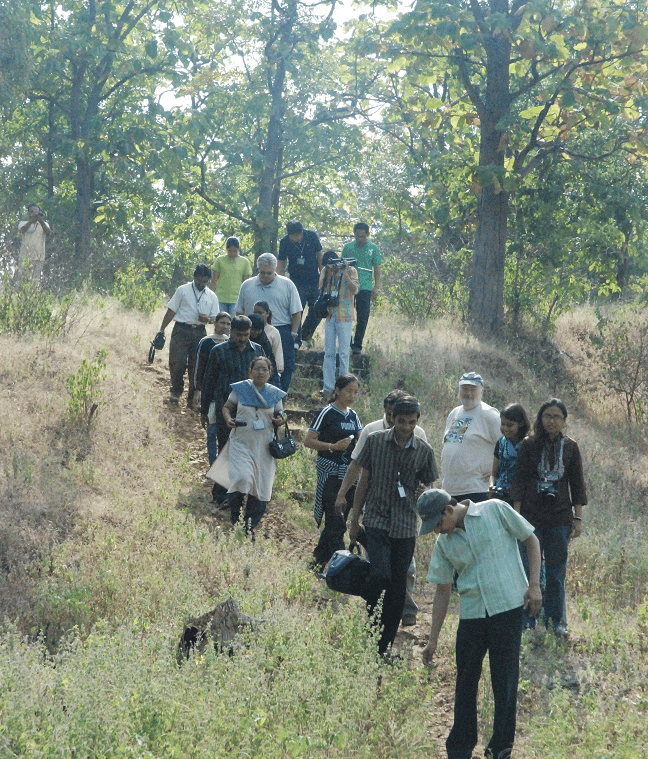
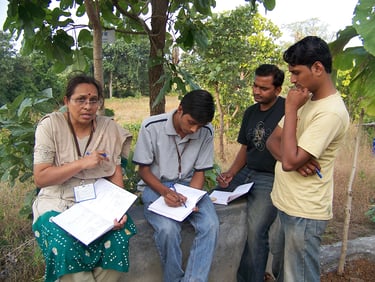
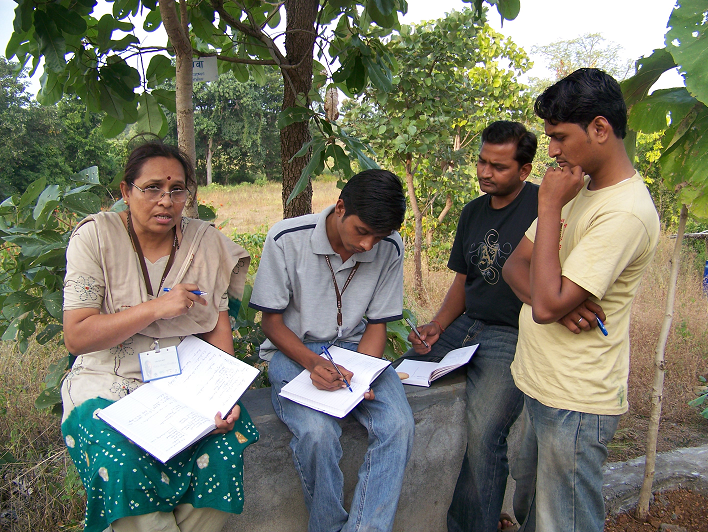
The Amravati EE course was conducted at Amravati University focusing on Behavior Change Species Conservation Campaigns with regard to Tiger/Human conflicts. It featured field trips to Melghat and Tadoba-Anhari Tiger Reserves.


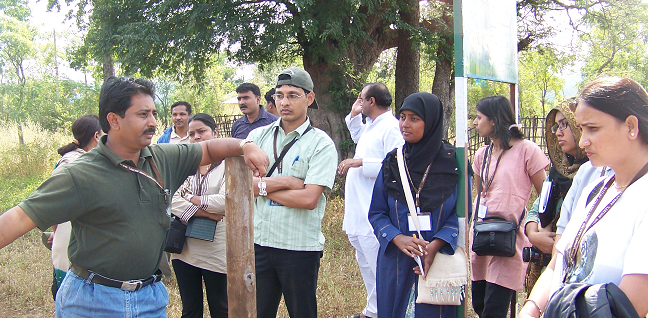





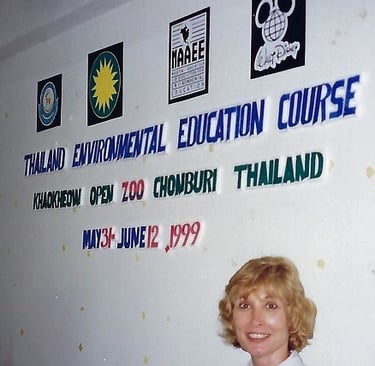
Khow Keouw Open Zoo
Chonburi Province, Thailand
May 31 - June 12, 1999
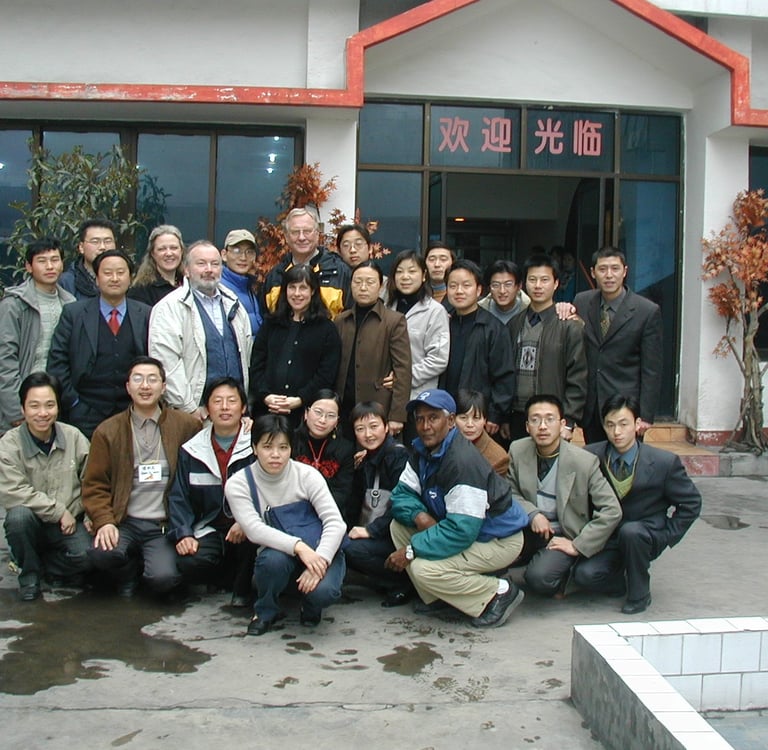
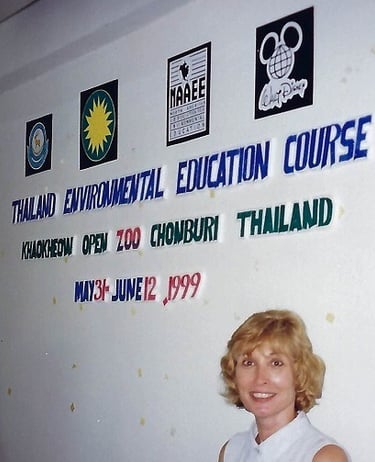
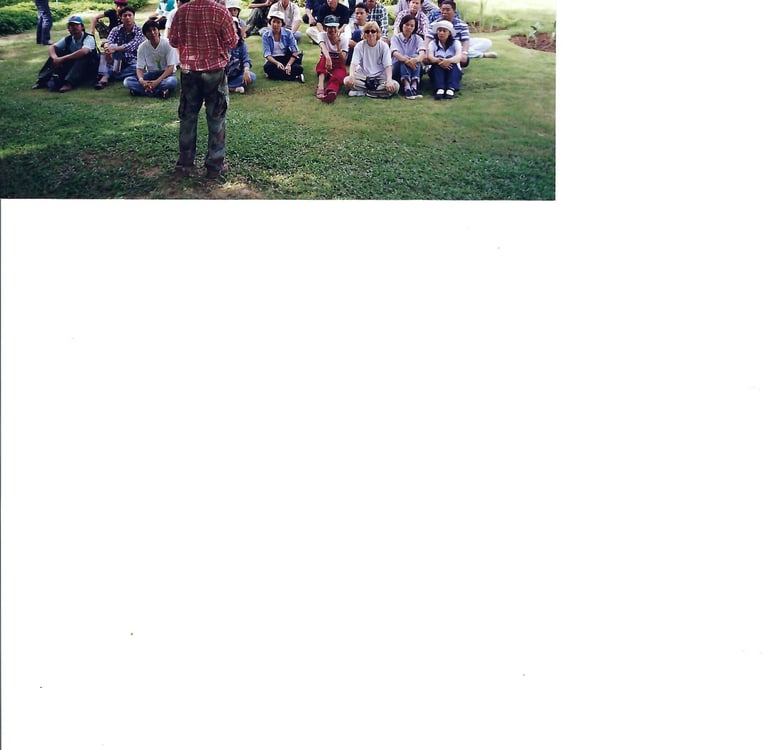
Although this was not an EECG project per se, this two week course was planned and conducted by several people who serve on the EECG Board to this day. As such, it represents a "Pilot Program" which helped shape the EECG professional development courses that followed during the next 25 years. An interesting note - the Disney Corporation was one of the course sponsors.







Helping developing future EECG Educators/Leaders:
A Global Network through Local Support , Scholarships
EECG is an enthusiastic network of professional educators/advisors who design and conduct the courses. Once the course or workshop is completed, all participants are invited to join the network where they can exchange ideas, post questions, and receive technical support and advice from EECG and its network of advisors. Often, course participants go on to help organize future Applied EE Courses or become catalysts for Conservation Projects back in the country where they live.
Scholarships awarded to select participants in professional development courses are an investment to help recruit local leaders, who in turn, become part of the ever-growing global network of educators and trainers.